Why brisket belongs on your wedding menu (and how to serve it right).
For engaged couples and event planners who want to avoid the 'dry chicken disaster' and serve a high-end, memorable meal. You will learn the exact technical standards for premium brisket service and how to elevate BBQ to a black-tie experience.
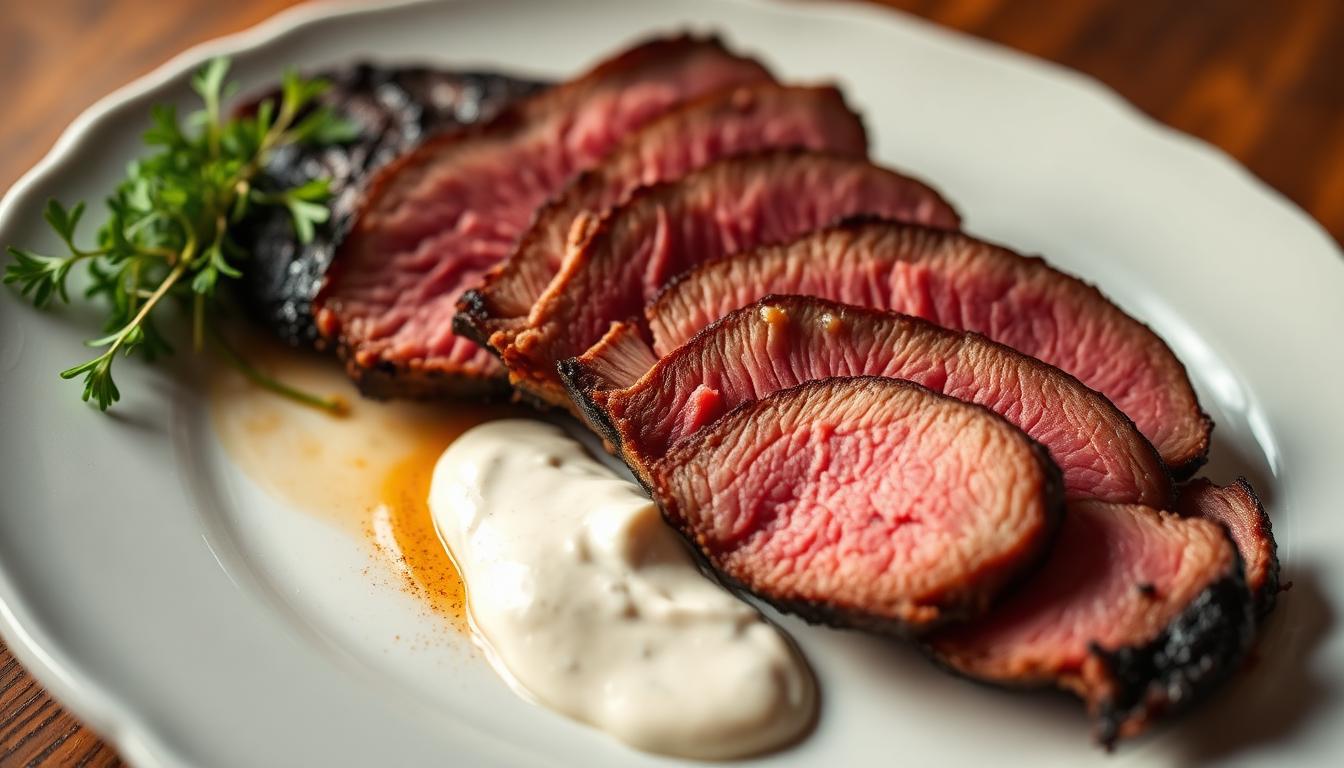
Brisket is the highest-impact, lowest-cost upgrade on a wedding menu — if your caterer knows what they are doing. Here is how to serve it like a steakhouse and the questions that expose someone who does not.
The Case for Brisket (No, Seriously)
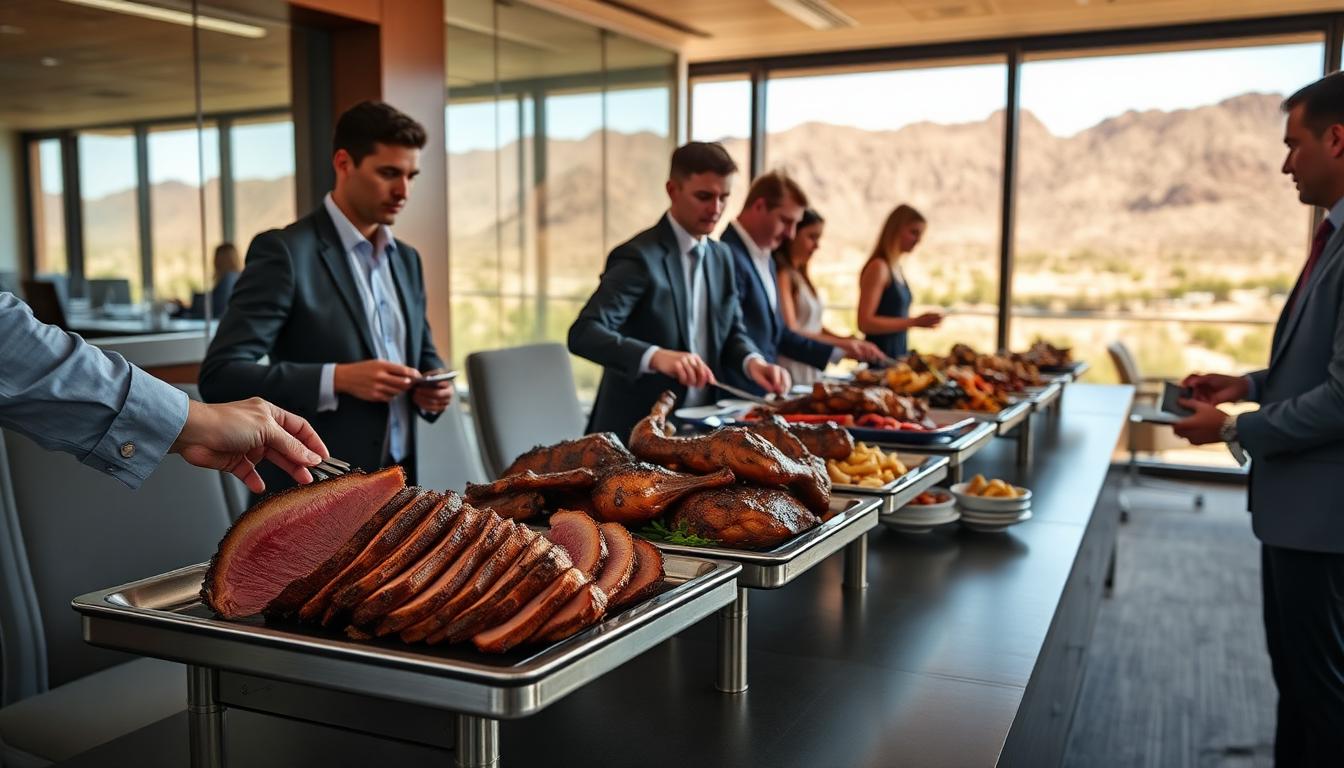
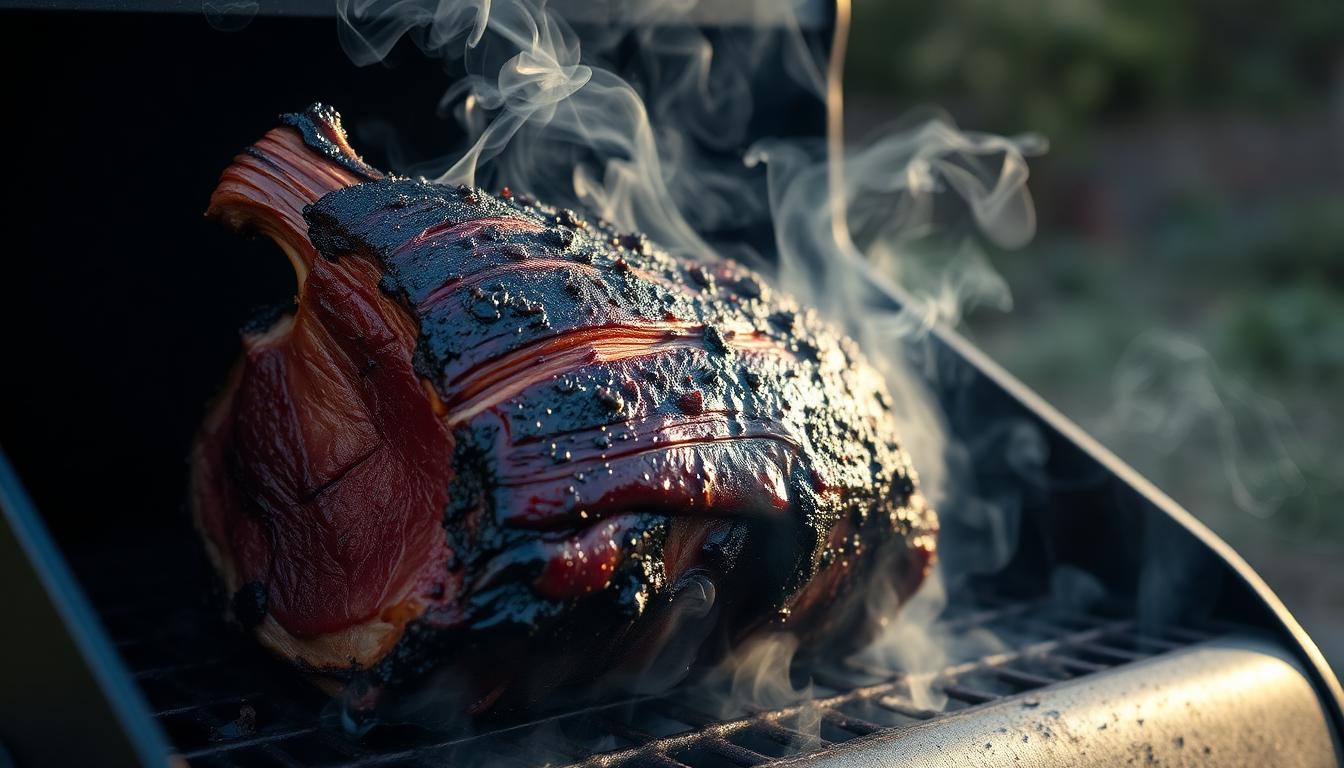
We’ve all been to that wedding where the chicken was so dry it could’ve been used as a legal substitute for drywall. Brisket, however, is a different beast—specifically a beast that spends 14 hours bathing in oak and pecan smoke.
Unless your guests have a commercial smoker in their backyard and a passion for staying up all night in the Arizona heat, they aren't making this at home. That deep red smoke ring and dark bark will even make your 'I know a guy who grills' Uncle Larry admit defeat.
I once saw a Scottsdale groom try to 'help' me at the pit; three minutes of 110-degree heat and he retreated to the AC faster than you can say 'internal temperature'.
Plating Brisket: The Steakhouse Experience, Minus the Tuxedos
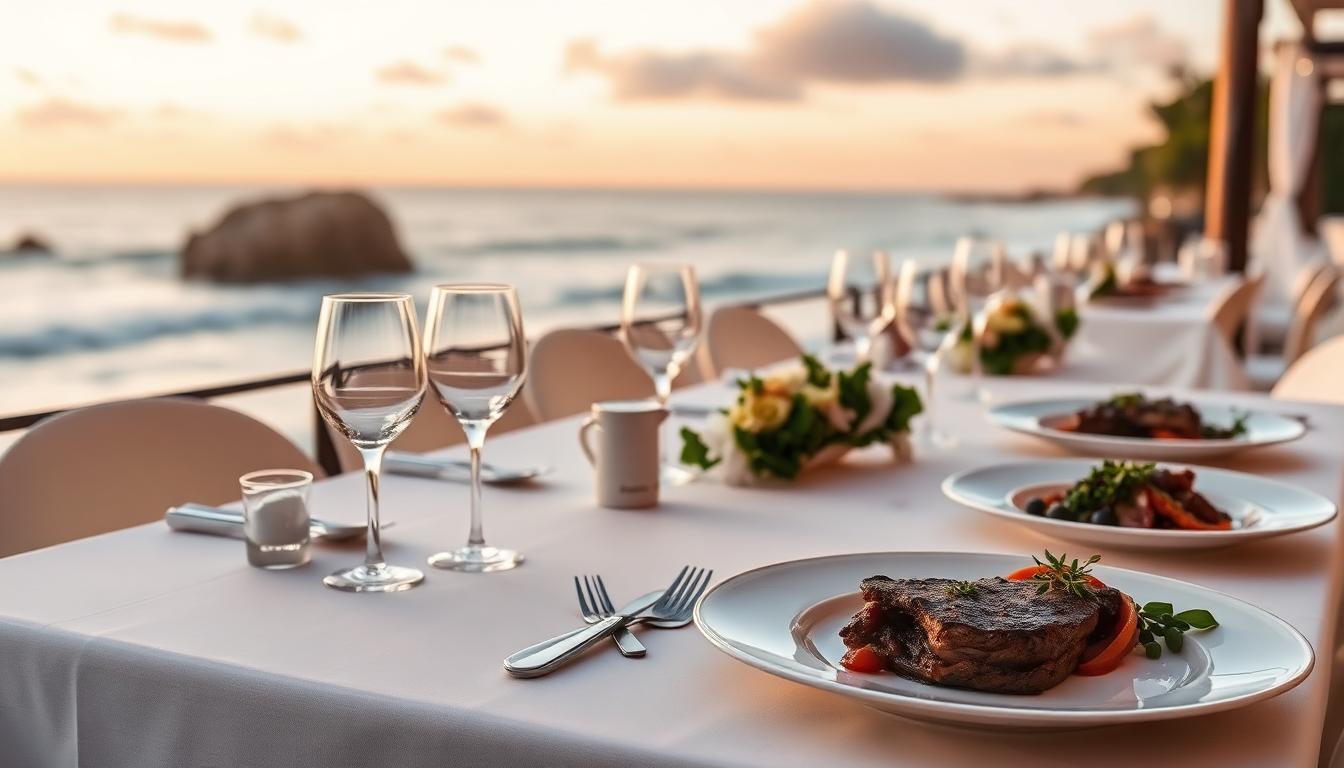
Don't you dare slosh bottled sauce over that bark like you’re at a high school cafeteria. We plate three perfect, pencil-thick slices fanned elegantly on white china with a whisper of horseradish crème and finishing salt.
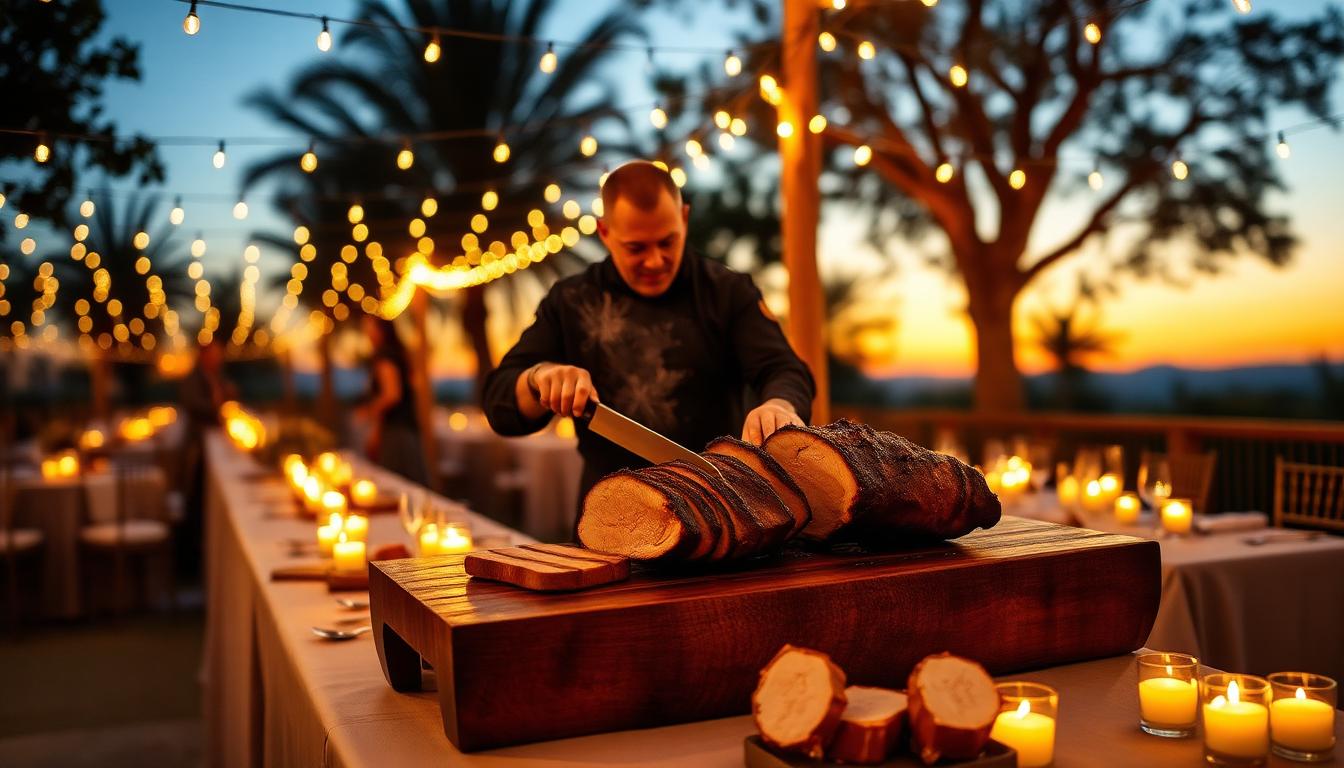
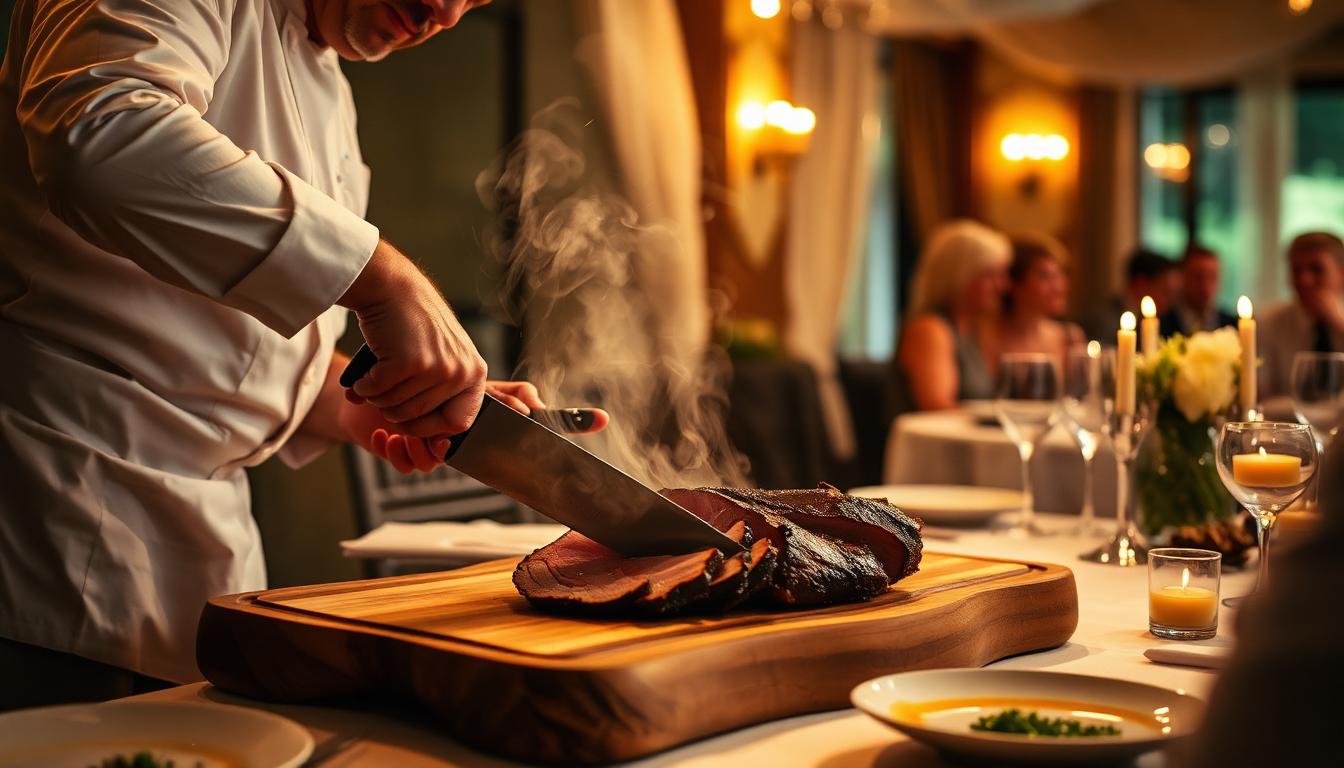
For a more interactive vibe, we can carve at the table on rich maple boards, letting that intoxicating aroma hit the room before the first fork touches the plate. It’s refined, it’s rustic, and it’s the only time it’s socially acceptable to ignore your new spouse to stare at a piece of meat.
Sides That Earn Their Spot (and Your Compliments)
We’re skipping the 'gas station mystery' mac and cheese in favor of a trio that actually belongs at a wedding. Think charred-corn elote, a smoked-gouda potato puree, and a citrus-fennel slaw that cuts through the richness like a sharp tuxedo.
I recently watched a CFO at a San Diego reception go back for three plates of the gouda puree, claiming he was 'auditing the texture.' We provide three impeccably chosen sides to complement the smoke, not five random distractions that clutter the plate.
Questions for Your Caterer (Unless You Enjoy Rubber Chicken)
Ask about the wood, because using mesquite for a 14-hour cook is a culinary crime that tastes like a campfire in your mouth. We use oak and pecan exclusively, and we ensure every brisket pulled at 203°F rests at 150°F for at least two hours—never reheated from a fridge.
Insist on seeing real slice photos from past Qfire Catering events, not some glossy stock photo that looks like it was generated in a lab. Your wedding deserves the real deal: tender, juicy brisket that makes people forget the speeches even happened.
We'd be happy to answer any more questions you may have.
No pressure, no sales pitch — just a chef who loves talking food.