A Guide to Catering Food Quantities for Large Events in Phoenix
For event planners and couples organizing large-scale gatherings in the Valley who need to feed a crowd without running out of food or going broke. This post provides the exact math and professional secrets for perfect catering quantities.
Run out of food at a 200-person event and that is the only thing anyone remembers. Here is the exact math we use to nail quantities for large Phoenix events — including the Arizona heat factor most caterers ignore.
- — Standard BBQ proteins are calculated at 1/2 to 3/4 pound per person when serving multiple meats.
- — Guest counts must be locked 15 days prior to the event to ensure precise ingredient sourcing and prep.
- — Arizona's dry heat can impact appetite; hydrating sides and precise holding times are critical for food quality.
The Science (and Superstition) of Phoenix Event Quantities
Determining food quantities for a Phoenix crowd is a mix of culinary science and praying that Uncle Bob doesn't treat the brisket line like an all-you-can-eat challenge. For groups over 100, the 'Daddy Rule' is one pound of total food per person—split into 6-8 ounces of protein and 8-10 ounces of sides.
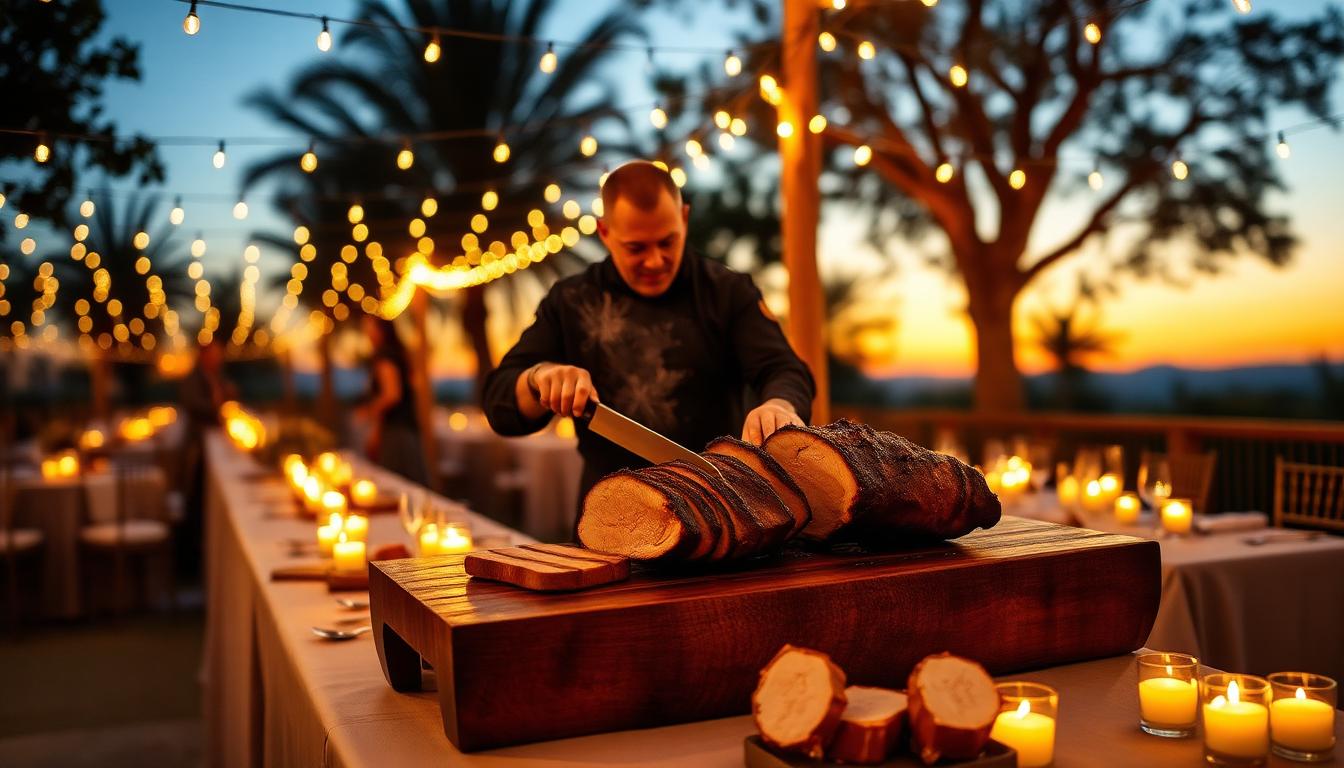
Remember, fire shrinks things; I’ve seen 100 pounds of raw brisket turn into 50 pounds of smokey gold faster than a Phoenix sidewalk melts a flip-flop. We account for a 30% to 50% weight loss during the low-and-slow process, ensuring the last guest in Scottsdale doesn't end up eating just the garnish.
To keep my blood pressure in the 'healthy human' range, we lock in guest counts 15 days out. This window lets us source the best local produce and premium meats for your Paradise Valley gala without a frantic, 2:00 AM run to a local taco shop.
Live-Fire Math: Heat, Wind, and Meat Jerky
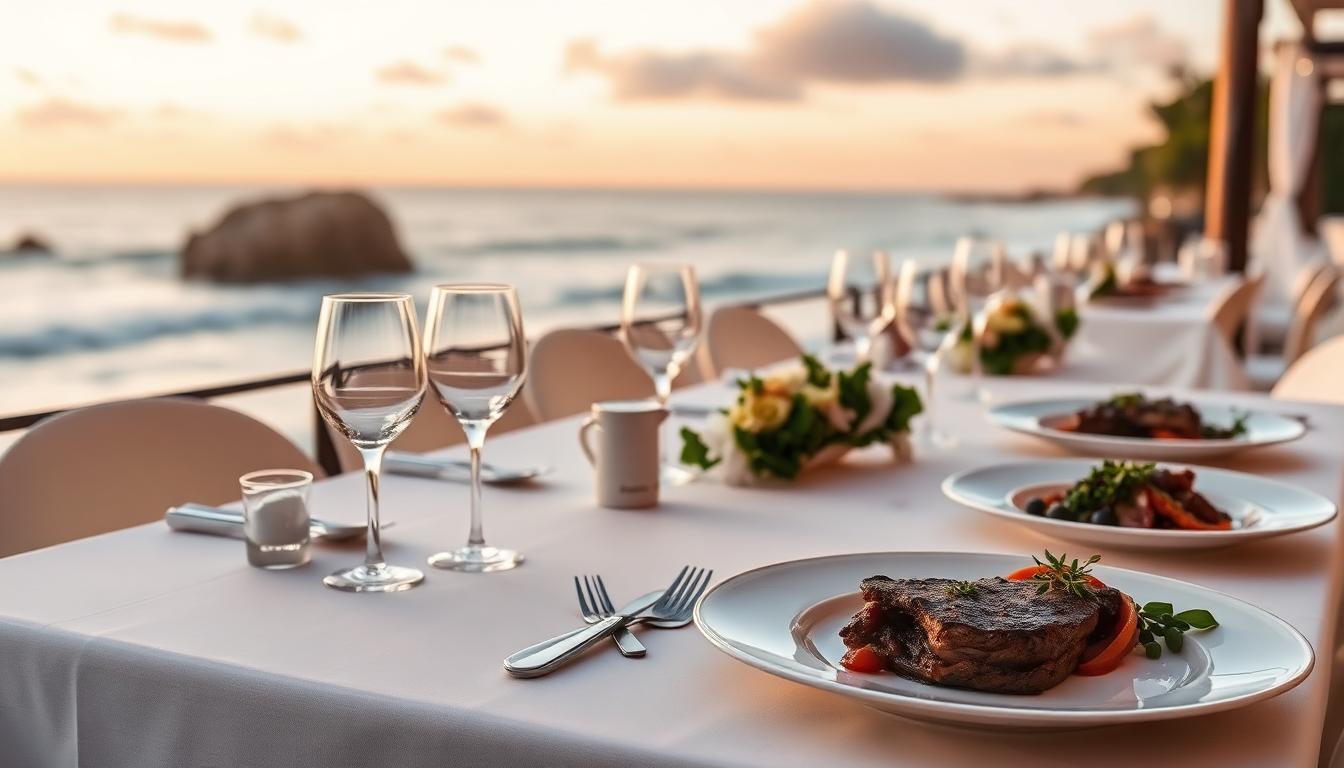
Onsite charcoal and wood grilling adds a smokiness that makes guests suddenly develop 'meat amnesia' regarding their new diet. For our Steakhouse Experience, we portion 10-12 ounce steaks, though we scale back to 6-8 ounces if you’re doing a surf-and-turf to prevent guests from needing a mid-event nap.
Cooking outside means wrestling with the Arizona climate, where the wind can shift faster than a politician’s promise. We manage fuel supplies—wood and charcoal—to ensure the fire stays hot enough to turn out trays faster than a DMV line moves on a Friday afternoon.
Holding times are crucial because nobody hired 'The BBQ Daddy' to serve accidental beef jerky. I learned the hard way at a breezy San Diego beach gig that if you don't stagger the grilling, the wind will turn a prime cut into a leather belt before the bride says 'I do.'
The Great Mac and Cheese Diversion
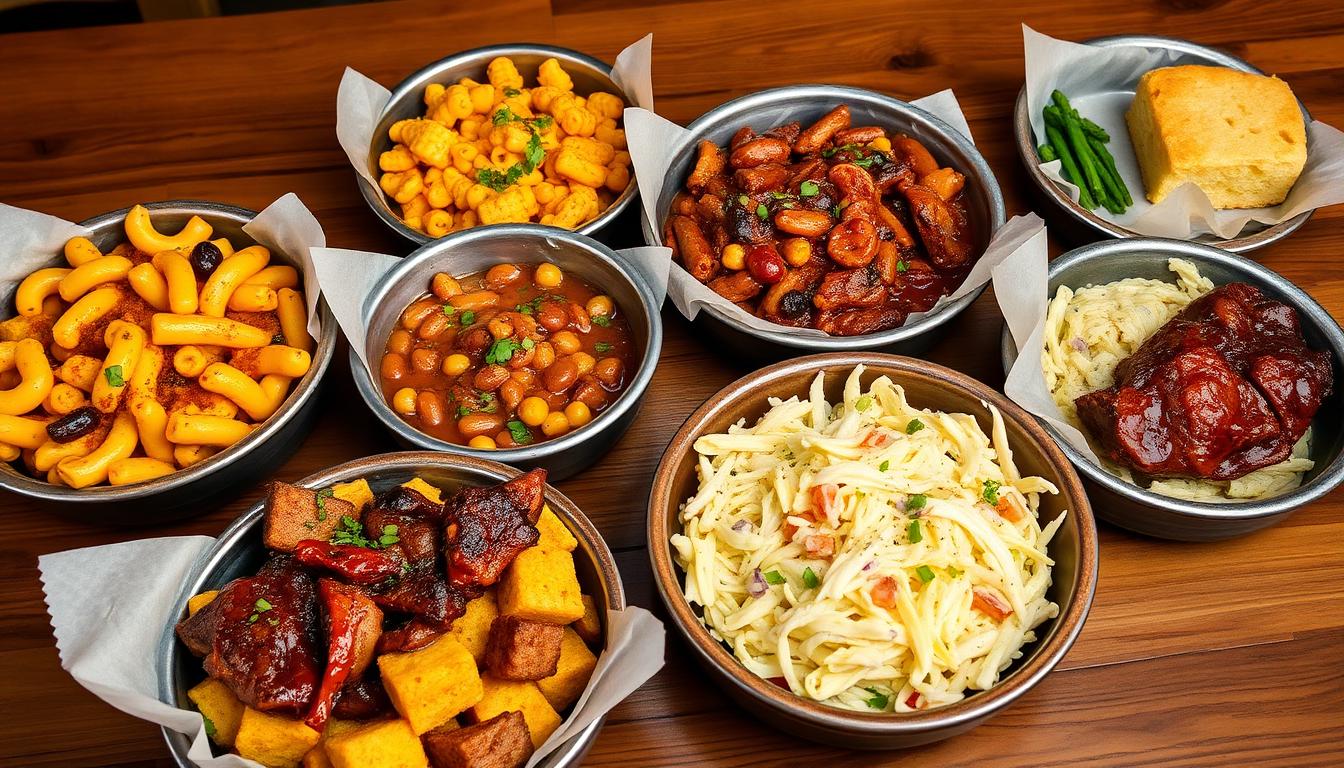
Amateurs over-order protein and ignore the sides, which is a rookie mistake because my mac and cheese has been known to cause emotional outbursts. Plan for 4-5 ounces of each side per person to ensure the plate looks like a feast rather than a lonely protein island.
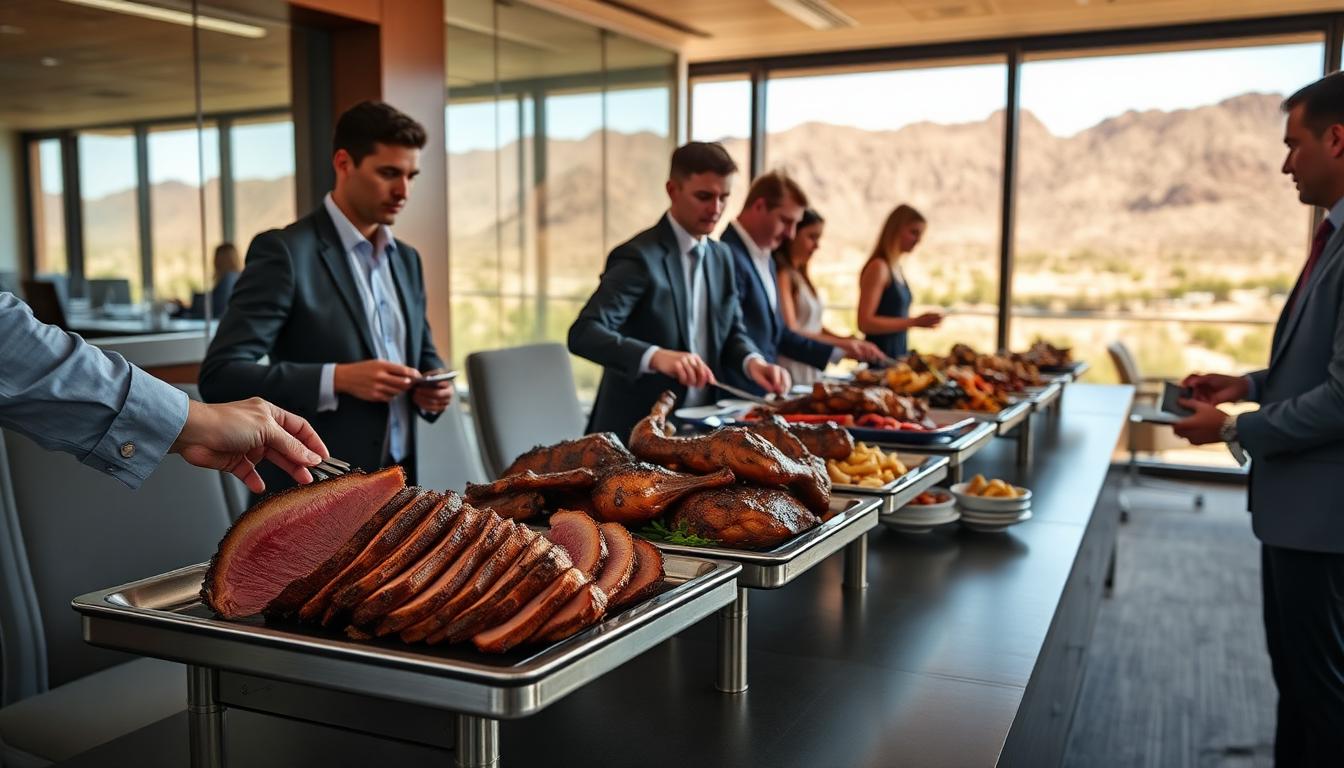
For corporate catering in Tempe or Chandler, we lean into lighter, refreshing sides like coleslaw so your team doesn't enter a 'food coma' during a 40-slide PowerPoint. Lighter options are essential in the Phoenix heat unless you want your guests snoring by the keynote speech.
Starchy sides like potatoes are the secret weapon for filling up a crowd and protecting your budget. Conversely, at a high-end Paradise Valley event, the focus stays on the premium proteins with the sides acting as elegant, quiet backup dancers.
Logistics: Don’t Let the Plates Ruin the Party
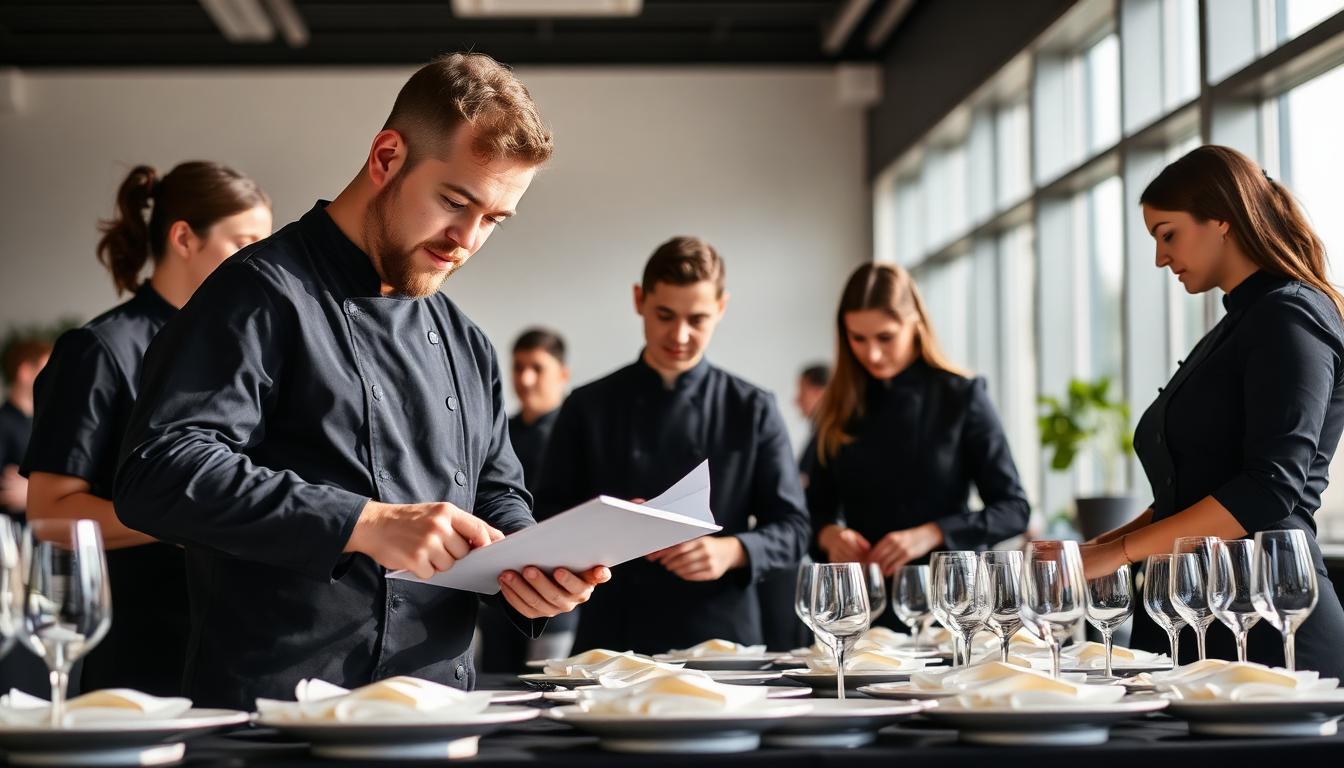
The fire doesn't feed the people; my team does, and they do it without the plate-loading panic that happens when a buffet looks thin. We use a specific staff-to-guest ratio to keep lines moving so early birds don't hoard all the ribs like they're preparing for an apocalypse.
Venues in Mesa or Gilbert often involve long treks from the smokers to the tables, which is how my crew gets their cardio for the month. We over-prep at the staging area to ensure there’s never a 'brisket gap' that makes guests nervous.
Pro tip: Give a man a 12-inch plate, and he will attempt to build a brisket skyscraper that defies the laws of physics. We recommend a standard 10-inch plate to keep portions reasonable and ensure everyone gets their fair share of the smoke.
Buffets, Plated Dinners, and the 'Gentle Redirection'
Buffet guests eat 20% more because they want to 'sample' everything three times. We use smaller serving utensils for high-cost items—a move I call 'gentle redirection'—while ensuring the fan favorites are stocked deep.
Family-style service creates a beautiful social vibe but requires a 10-15% buffer because nobody wants to be the jerk who takes the last rib. It looks like an abundant feast, provided you aren't worried about guests fighting over the final burnt end.
Plated dinners are the ultimate control move, allowing me to decide exactly who gets what. With 6-8 ounces of protein and set sides, it’s the most efficient way to run a formal event without the guesswork of a 25-year career being tested by a hungry mob.
Dietary Math: Not Just Steamed Carrots
In a large group, someone will inevitably ask if the BBQ is 'paleo' or 'sunlight-compatible.' We recommend allocating 10% of your total volume to gluten-free, vegetarian, or vegan options to keep the flow smooth.
I specialize in live-fire menus that don't taste like cardboard, using wood-fired portobello steaks that even the carnivores try to steal. Inclusive menus mean your vegan cousin isn't left staring at a bowl of sad, steamed carrots while everyone else has a party.
I’m a pitmaster, not a psychic, so use those RSVP cards to get the data early. Finalizing these numbers at the 15-day mark ensures your Goodyear event stays on budget and my stress levels stay at a light simmer.
Weathering the Phoenix Heat Wave
When it's 110 degrees in Phoenix, nobody wants a heavy bowl of stew unless they enjoy melting into their chair. In summer, we shift toward crisp vegetables and lighter appetizers, saving the heavy culinary hugs for a crisp November night in Cave Creek.
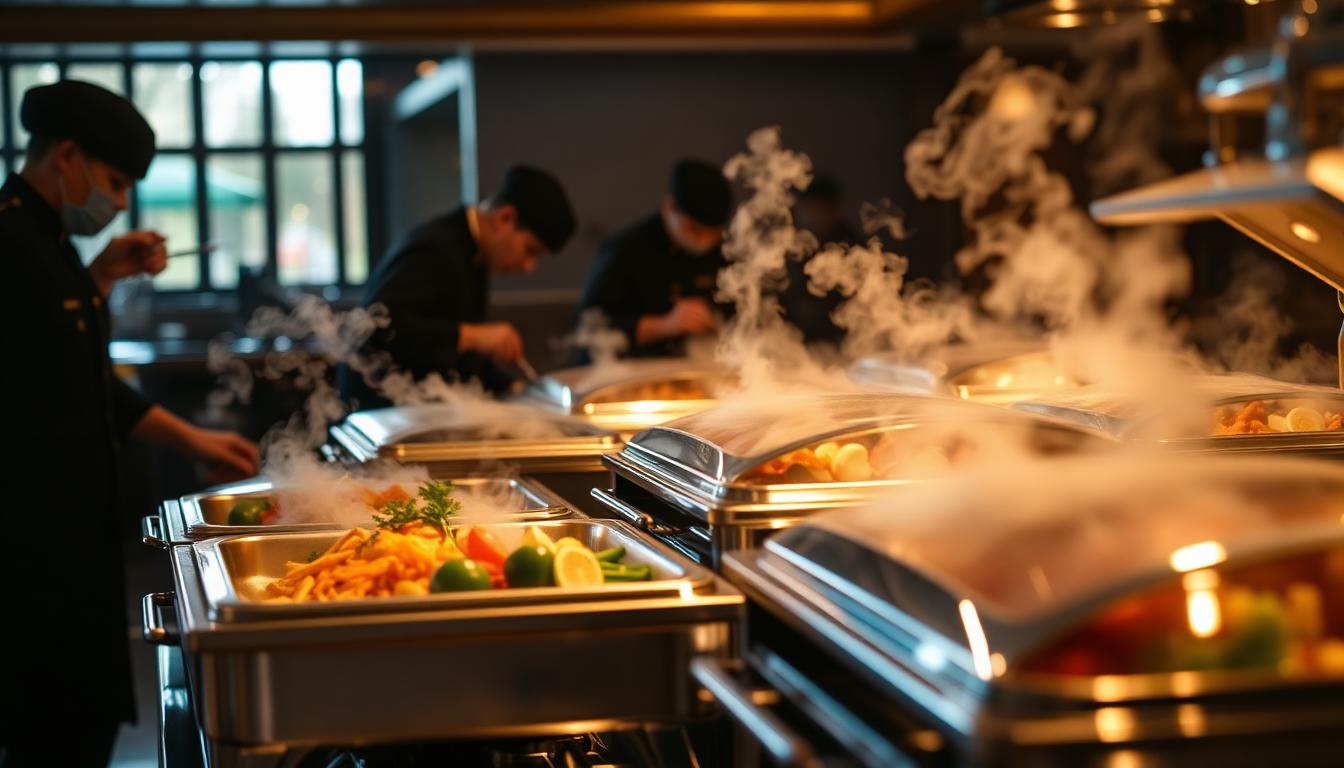
We use specialized equipment to fight the Arizona sun, keeping cold items crisp and hot items out of the 'danger zone' without drying them out. We’re here to cook the food on the grill, not on the serving table.
Finally, remember that alcohol is the ultimate appetite stimulant; the more Scottsdale cocktails flow, the more brisket disappears. If you have a full bar, bump your appetizer quantities by 20-30% to account for the 'happy hour' hunger surge.
Frequently Asked Questions
How much meat should I order per person for a BBQ wedding?
For a standard BBQ menu, we recommend 1/2 to 3/4 pound of cooked meat per person. If you are serving three or more proteins, guests will take smaller portions of each, but the total volume remains similar. We always account for shrinkage during the smoking process to ensure plenty of food.
When do I need to give the final guest count to the caterer?
At Qfire Catering, we require your final guest count to be locked in 15 days before your event. This allows us to secure the freshest ingredients and schedule the appropriate number of staff for your Phoenix or San Diego event.
What is the difference in food quantity between buffet and plated service?
Buffets generally require 15-20% more food because guests tend to sample every dish and take larger portions. Plated service is portion-controlled, which reduces waste and provides a more predictable quantity for the kitchen to prepare.
Do you provide tastings for large events?
Yes, we offer tastings from Wednesday through Saturday by appointment only. This is a great opportunity to see portion sizes firsthand and work with Chef Terry Matthews to finalize your menu selections for your upcoming celebration.
How do you handle food leftovers?
Per health department regulations and safety standards, we handle leftovers according to strict guidelines. If conditions allow for safe transport, we can package remaining food for the host. However, food left out on a buffet for extended periods must be disposed of for safety.
Written by Chef Terry Matthews, Qfire Catering — Phoenix Metro. Last updated 2026-08-28.
We'd be happy to answer any more questions you may have.
No pressure, no sales pitch — just a chef who loves talking food.