Plated, buffet, or stations? Choosing your wedding service style.
For engaged couples and event planners in Phoenix and San Diego who are overwhelmed by catering logistics and need a clear, professional, yet hilarious breakdown of service styles to maximize their budget and guest experience.
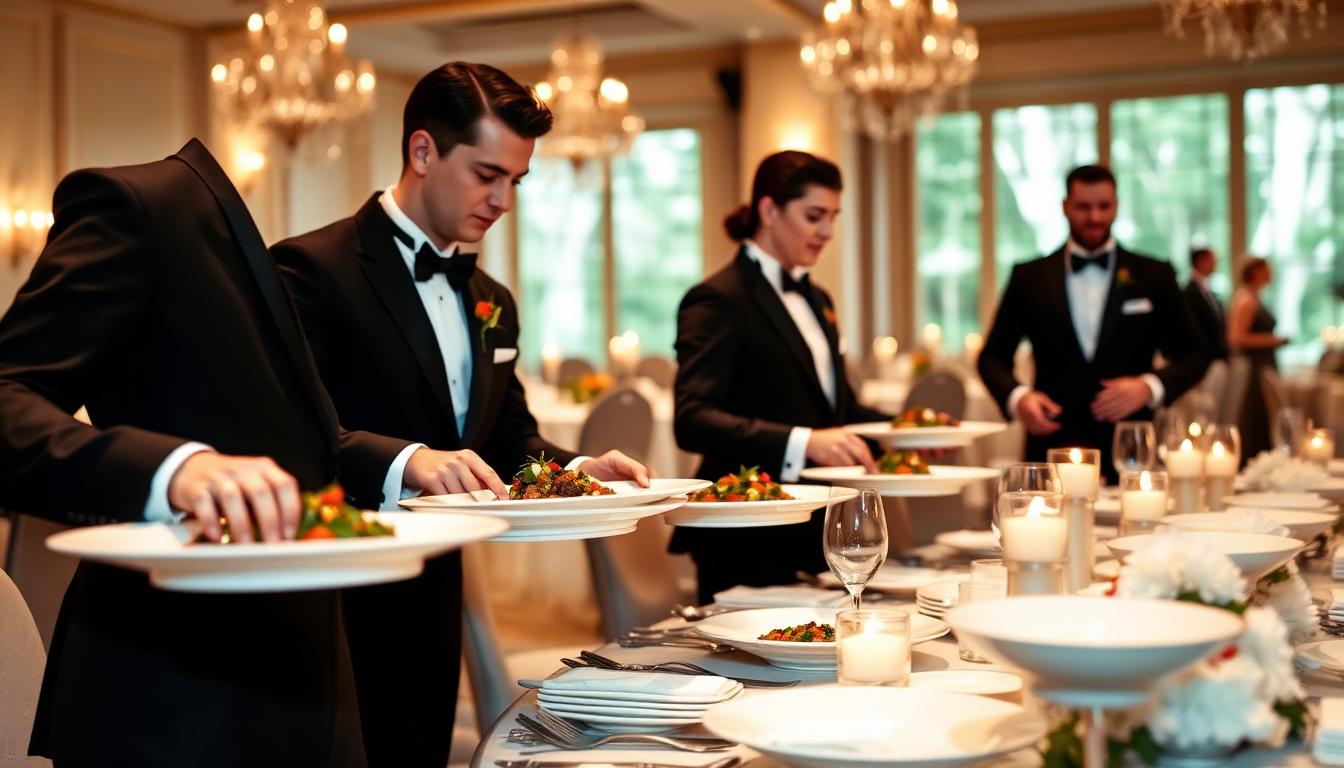
Plated, buffet, or stations is not a taste question — it is a money and timeline question. Pick wrong and dinner runs an hour long. Here is how to pick right in five minutes.
Walk the Venue Before You Wrangle the Menu
Before you dream of lobster tails, you need a tactical reconnaissance mission of your venue. A plated dinner requires a server highway, a buffet needs forty feet of runway that won't block the dance floor, and stations need power, water, and three-way crowd flow.
I once saw a Scottsdale groom try to 'help' by moving the smoker into a decorative floral nook; ten minutes later, the venue looked like a high-end bonfire. If your kitchen is a hundred feet from the tables, skip the plated dream and go family-style unless you want your guests eating cold chicken in silence.
Plated Service: The High-Stakes Symphony
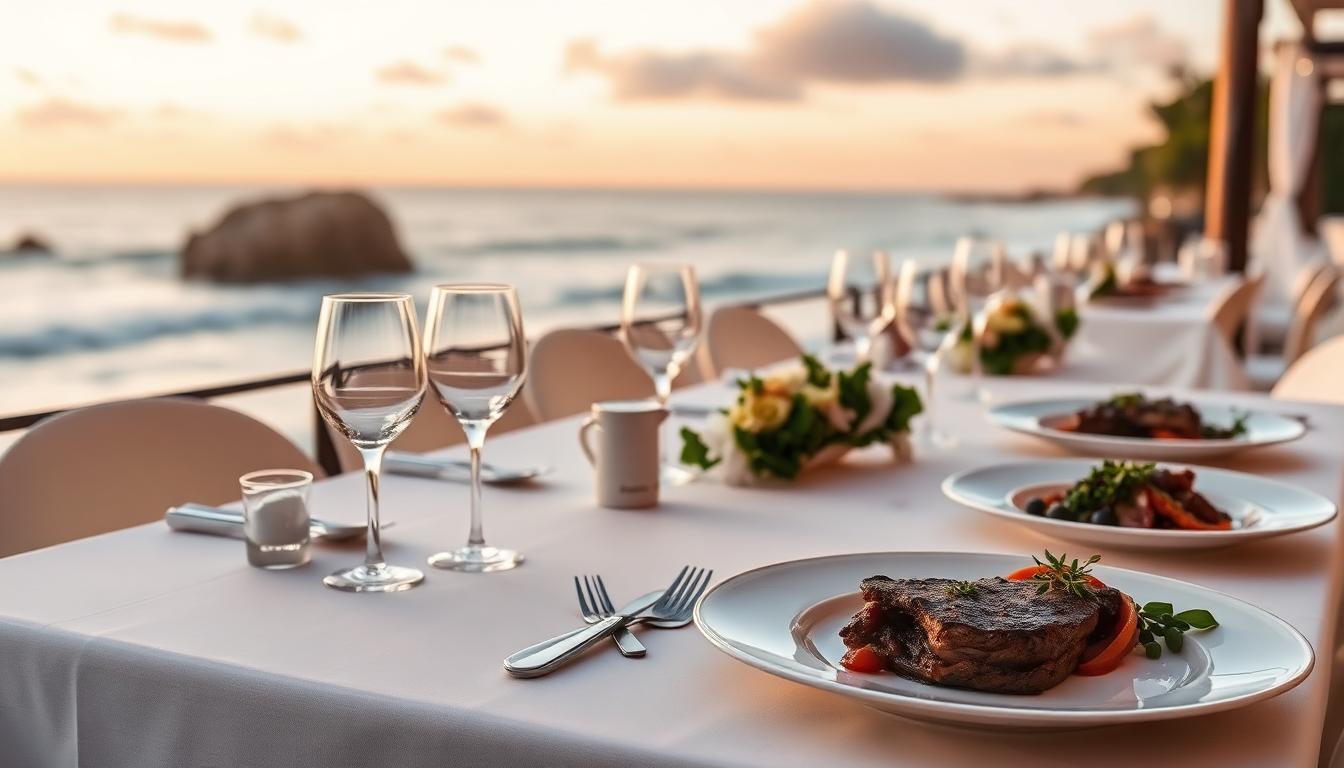
Plated dinners are the Ferraris of catering—expensive, flashy, and requiring a pit crew of one server for every ten guests. You’re paying for a captain to orchestrate the chaos and dedicated runners to ensure every plate lands at the exact same micro-second.
Stick to plated if your guest count is under 140 or if the VIPs paying the bill care more about the 'clean room' photo than the actual quantity of brisket. It’s the best way to keep your timeline tighter than a new pair of cowboy boots, ensuring toasts and dancing happen exactly on cue.
Buffet & Family-Style: The Brisket Bounty
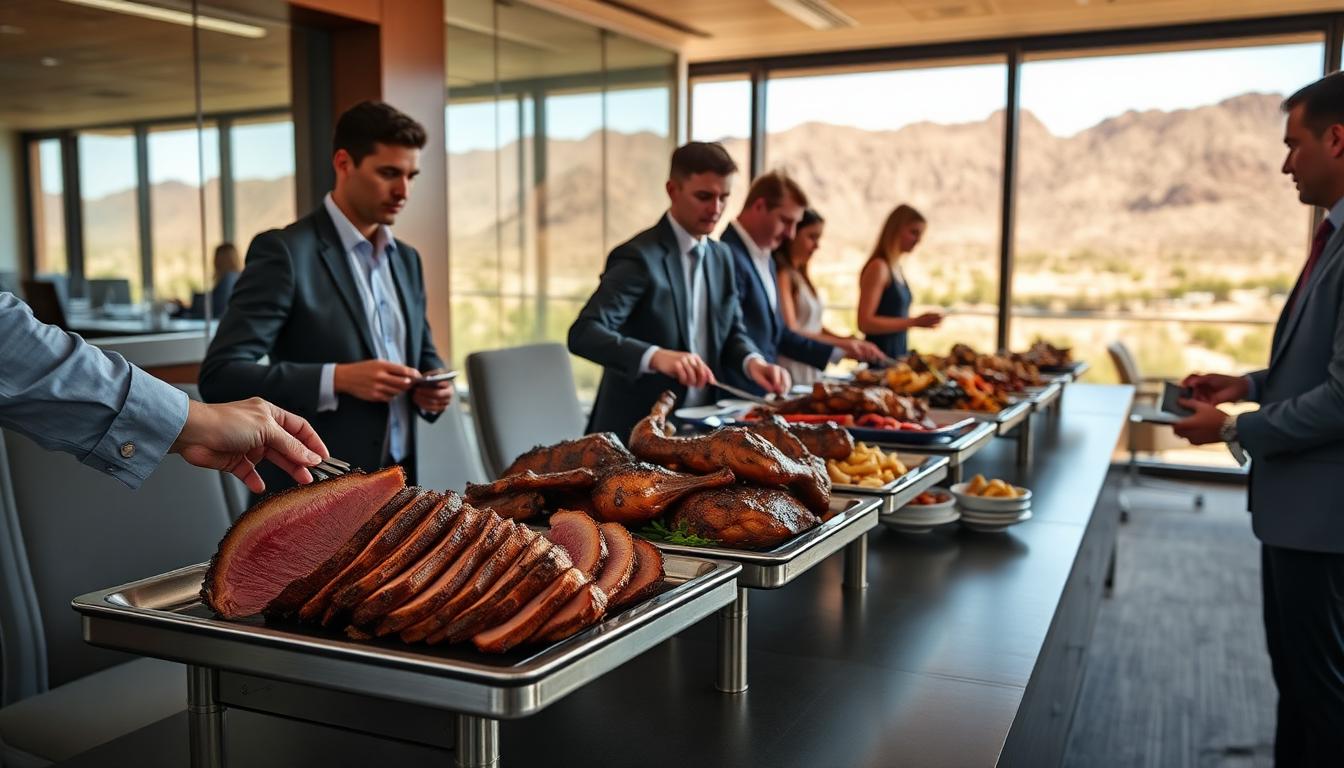
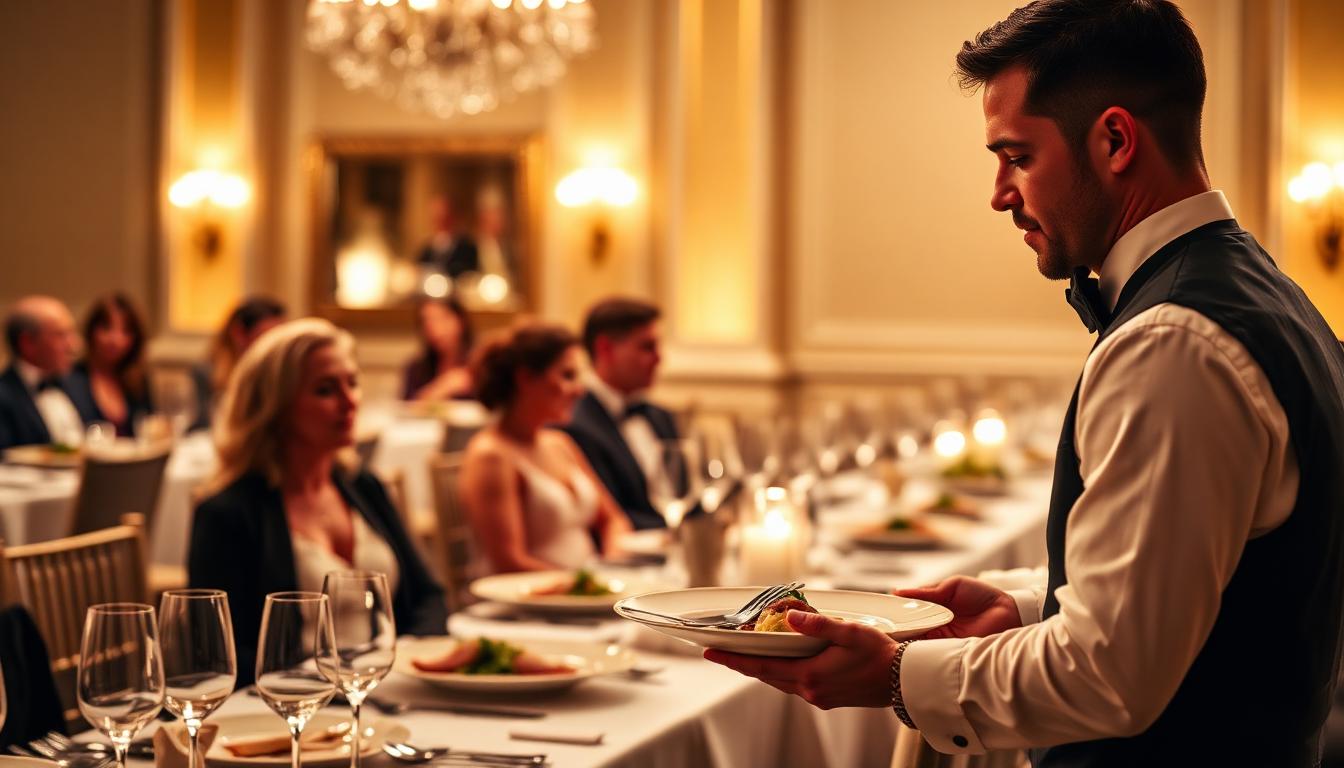
Buffets win the gold medal for variety and the 'Uncle Bob' second-helping factor. Family-style keeps everyone at the table, passing platters of wood-fired brisket and prime rib like a high-end Sunday dinner that actually tastes good.
For crowds of 150 to 300, this is my professional 'go-to' because it cuts costs by 18 to 25 percent compared to plated service. Plus, guests actually eat more—I once watched a CFO in San Diego put away three plates of my signature sides and still ask for the recipe while loosening his tie.
Stations: The 'Choose Your Own Adventure' Feast
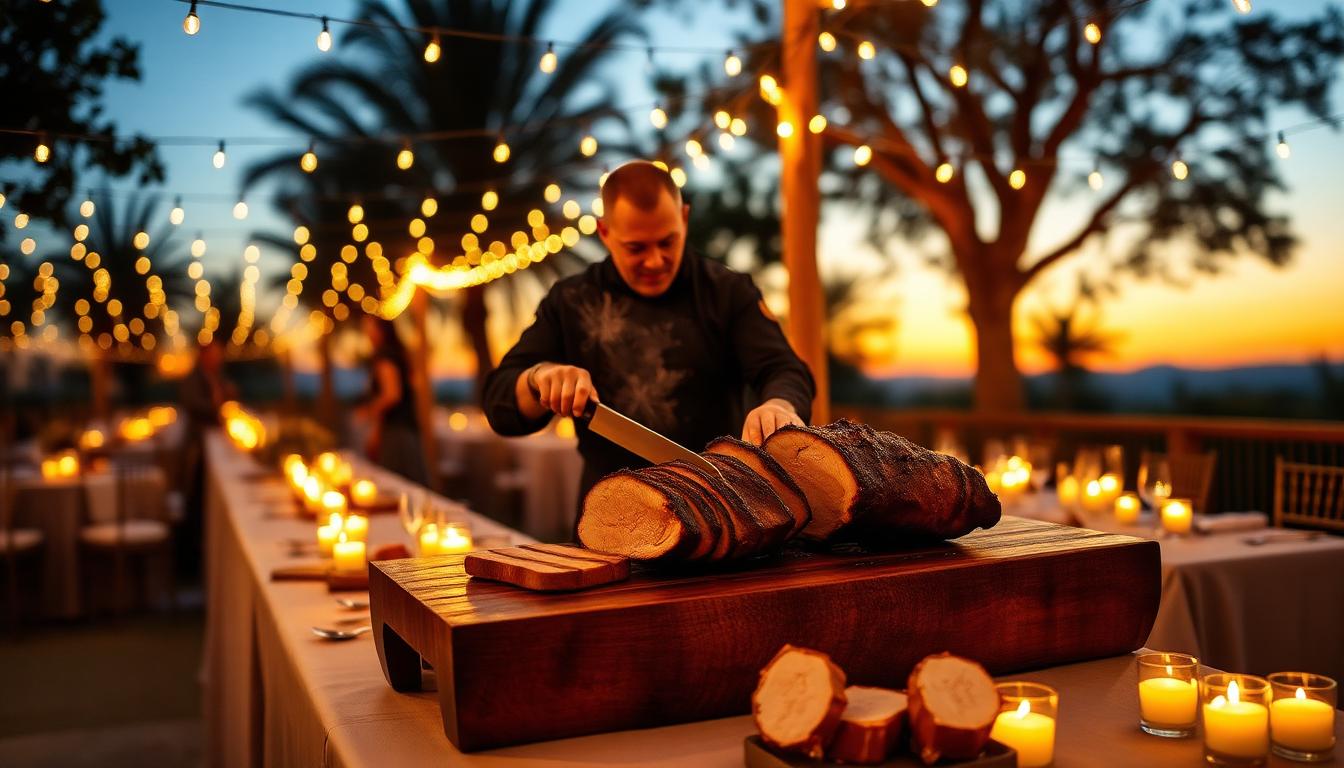
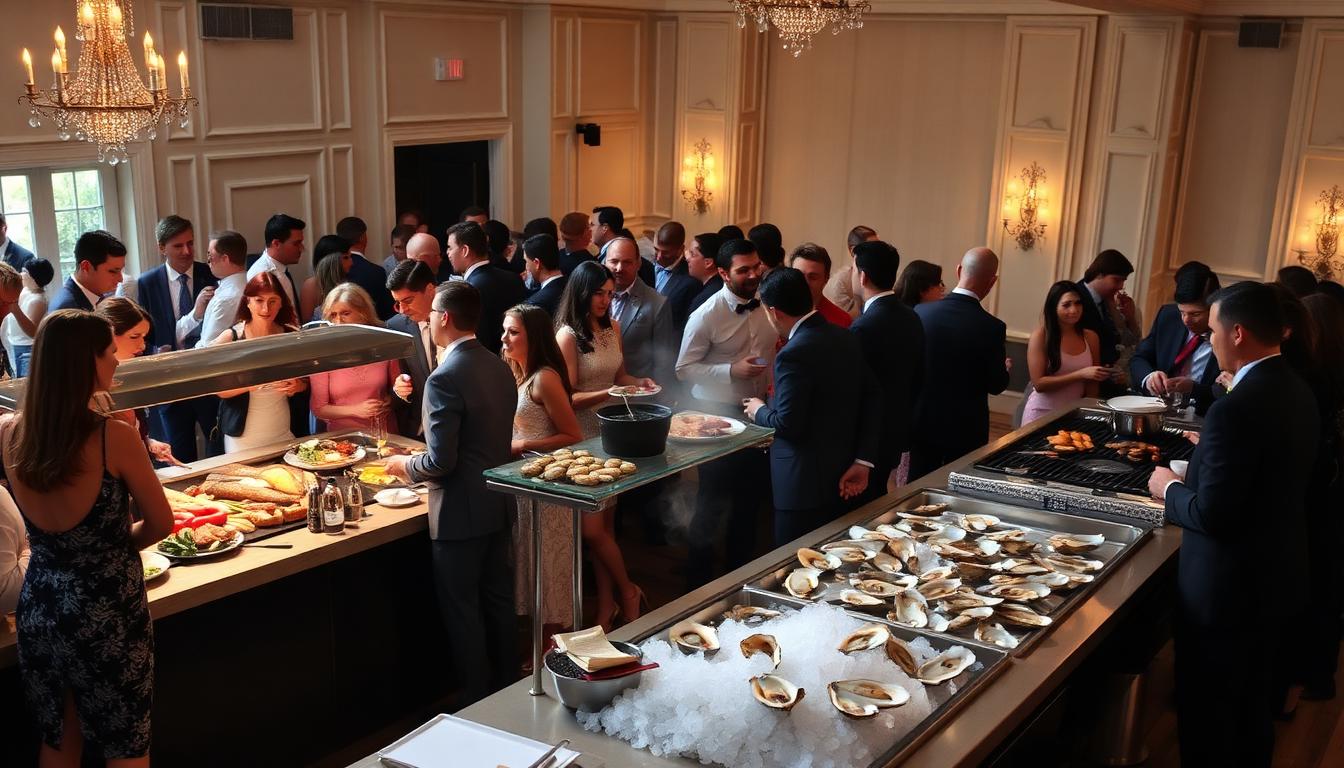
Stations are basically delicious interactive theater where guests can wander from a prime rib carving station to a mesquite chicken taco bar. It’s the ultimate way to force your guests to mingle instead of staring at their phones waiting for a salad.
If you go this route, budget for two stations per 75 guests to avoid the 'Great Hanger Crisis of 2024.' Keep the lines under five minutes, or you’ll have guests looking at the centerpiece flowers like they’re edible.
The Meat of the Matter: Let’s Talk Cold Hard Cash
Here is the breakdown: Plated service typically runs $115 to $185 per head, Family-style hits $85 to $140, and a two-station reception is roughly $70 to $110. The secret? The food cost is almost identical—you’re mostly paying for the labor, the rentals, and how many forks you want to wash.
Tell us your guest count and your venue layout, and we’ll tell you which style fits your vibe and budget. My job is to make sure your wedding food is the only thing people talk about—besides how great you look, obviously.
We'd be happy to answer any more questions you may have.
No pressure, no sales pitch — just a chef who loves talking food.