Catering Logistics and Timeline for an Outdoor San Diego Wedding
For engaged couples and event planners organizing an outdoor San Diego celebration who want to ensure their high-end catering runs like a Swiss watch. This guide provides the exact logistics, timelines, and expert pitmaster tips needed to deliver a flawless, wood-fired dining experience without the stress.
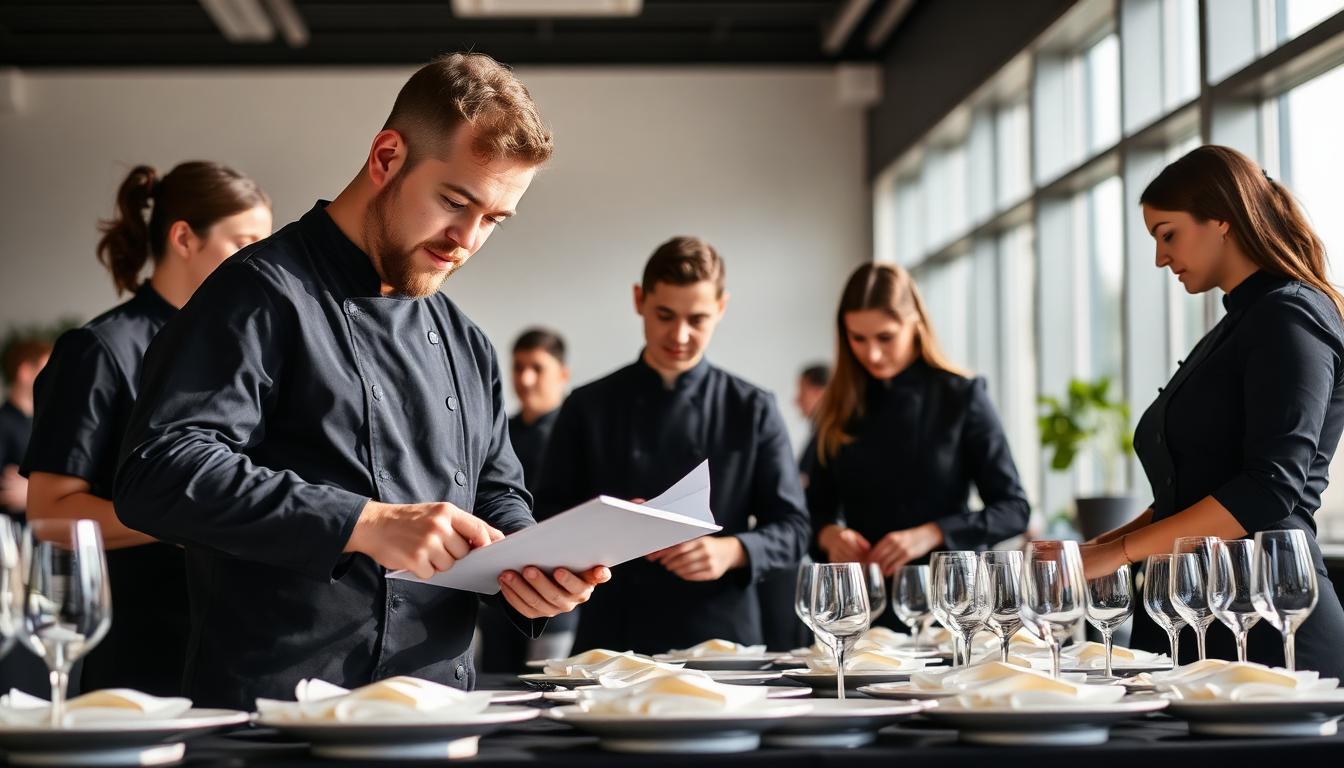
Outdoor weddings fail on timing, not food. Here is the minute-by-minute catering timeline we run for San Diego coastal venues so dinner hits hot and the night never stalls.
- — Lock in your final guest count exactly 15 days before the event to ensure accurate portioning and staffing.
- — Allocate at least 4 hours for on-site setup when using live-fire equipment like charcoal or wood grills.
- — Consider the coastal microclimates of San Diego, particularly humidity and wind, when planning the service timeline.
- — Utilize a professional catering team to manage venue-specific logistics like power, water, and waste removal.
Defining Your Catering Logistics and Timeline for an Outdoor San Diego Wedding
Crafting a logistics plan for a San Diego wedding is all about the 'brisket-to-plate' ratio—basically ensuring your meat doesn't have to hike a marathon to reach the guests. Whether you're on the La Jolla bluffs or a Rancho Santa Fe estate, your caterer needs to be on-site at least four to five hours before the 'I dos' to stabilize the charcoal heat. We need that time to make sure the appetizers don't wilt under the sun faster than a guest who forgot their SPF 50.
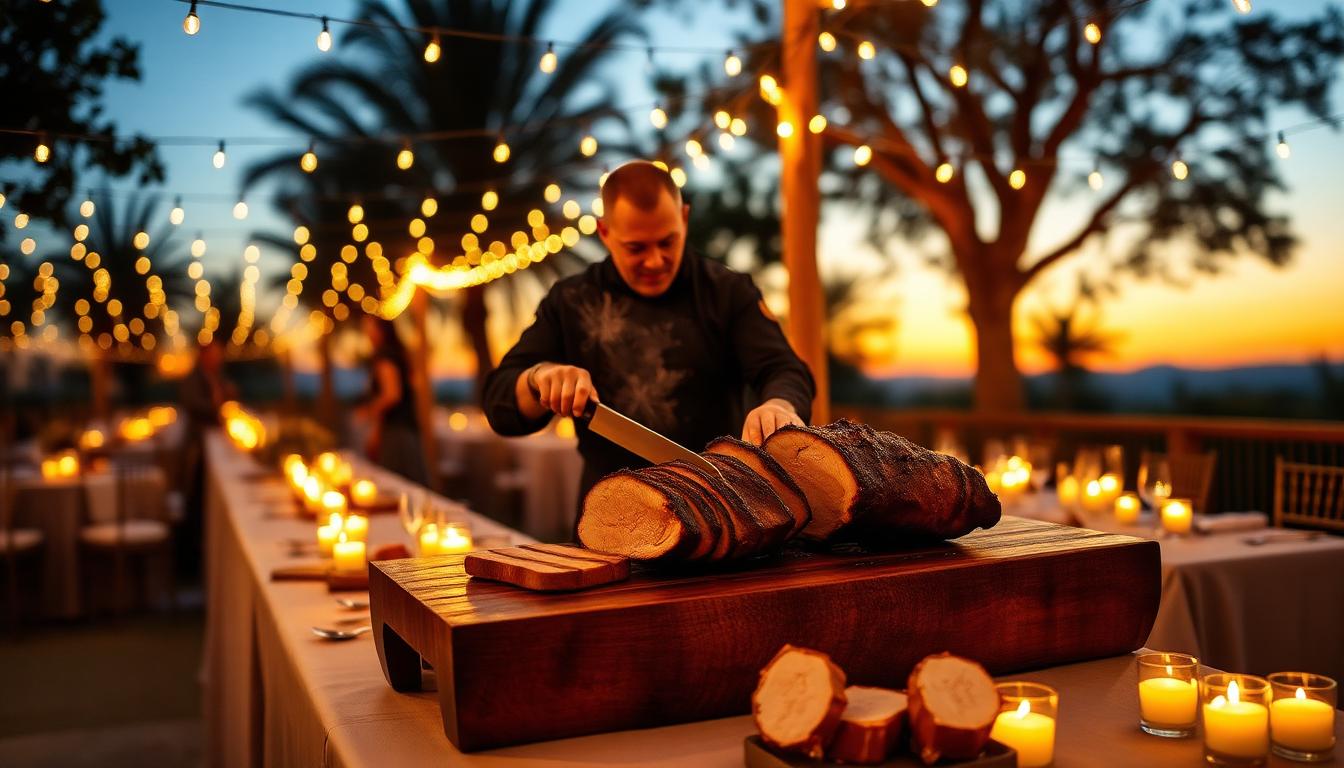
Timing is the difference between a luxury experience and a lukewarm regret. We recommend a 90-minute cocktail hour followed by a 60-to-90-minute dinner service to keep things moving. When we’re firing up the Steakhouse Experience, we calibrate the slicing so no one is stuck in a stagnant line wondering if Aunt Linda hijacked the last warm rib.
The San Diego marine layer is a real mood-killer for charcoal, and the Temecula heat requires serious shade for both food safety and staff endurance. I once saw a 'DIY' uncle try to grill in the 100-degree Poway sun without a tent; he looked like a medium-rare pitmaster before the first burger was flipped. We plan for the environment so your transition from ceremony to first bite is seamless and smoke-controlled.
Site Visits and Venue Access for Live-Fire Logistics
We scout venues in Carlsbad and Del Mar like we’re planning a tactical BBQ strike. We check if the ground is grass, sand, or gravel to ensure our heavy wood-fired equipment doesn't slowly sink into the sunset like a delicious anchor. Logistics mean leveling the mobile kitchen and setting a perimeter so the smoke enhances the vibe rather than making guests think the venue is actually on fire.
Moving a thousand-pound smoker isn't a solo job, and many San Diego venues have strict load-in windows. If a venue is 'off-grid' like a private beach, we bring the generators and water transport because 'rustic' shouldn't mean 'dehydrated.' We coordinate with managers to find power sources so we don't accidentally blow a fuse during your vows.
Staffing levels are calculated by the '100-meter brisket dash'—if the kitchen is a football field away from the tables, we add more hands. We map out every hill and obstacle during the planning phase to ensure the service runs like clockwork. This level of detail ensures your reception feels like an intentional luxury, not a CrossFit workout for the servers.
The 15-Day Milestone and Finalizing the Guest Count
Precision is the secret sauce, which is why we require guest counts to lock 15 days before the event. This two-week window allows us to source premium cuts that need proper aging, not just whatever’s left at the grocery store. It’s all about 'pit math'—calculating the burn time so I don't have to explain to a hungry uncle why the tri-tip is still 'resting' while he stares me down.
Freezing the count also locks in our staffing and rental orders based on reality, not the hope that your college roommates will finally RSVP. This lead time lets us sync with your DJ and photographer so the 'golden hour' lighting isn't wasted while people are still hunting for their salad forks. We treat this timeline with more respect than we give a prime rib, and that’s saying a lot.
This is also the final call for San Diego weather adjustments; if a heatwave is coming, we’ll pivot to more hydration stations and modified slaw holding. We return quotes within 4 hours during the week to keep you moving fast, but this 15-day stretch is where we polish the execution until it shines. We’re planners first, pitmasters second, and professional sun-dodgers third.
Managing Guest Flow During Outdoor Service
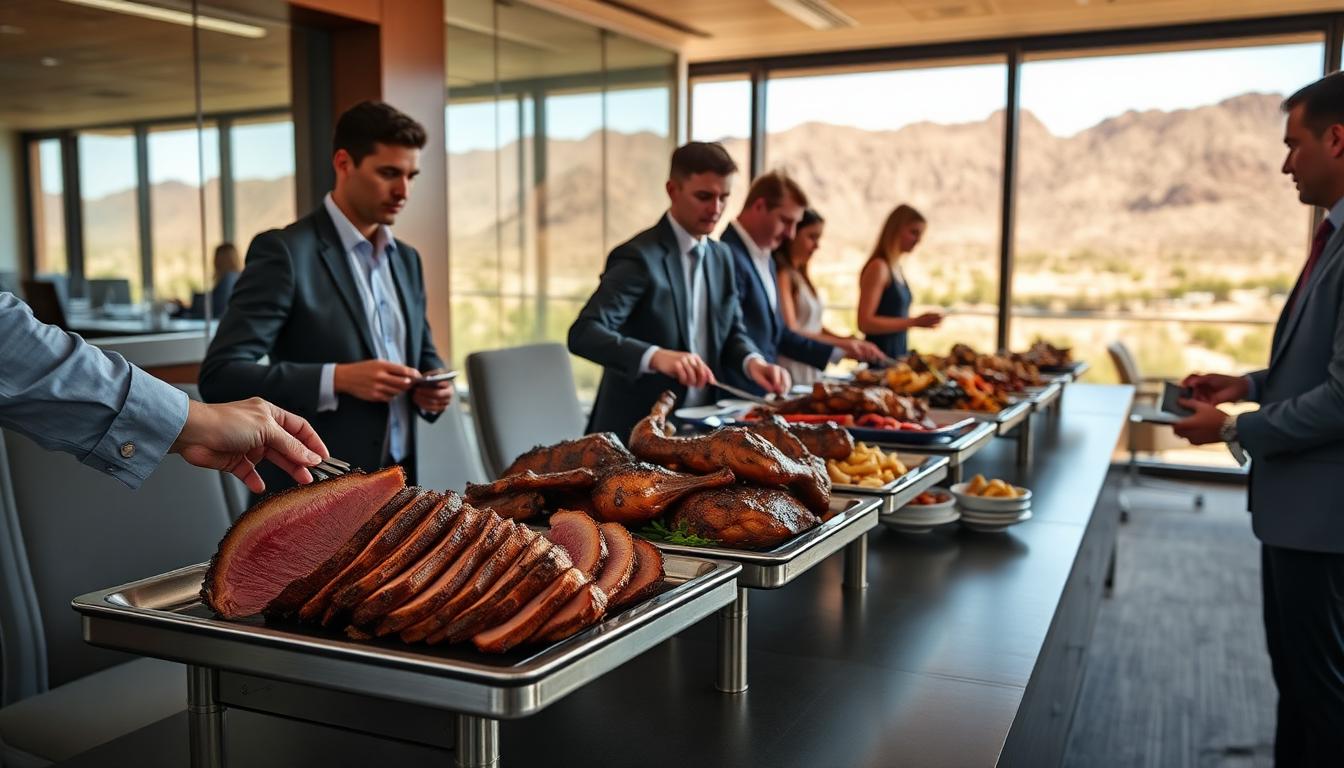
Guest flow is the invisible hand that keeps your reception from turning into a human accordion. We use a 'loop' system for buffets, placing plates at the start and cutlery at the end so the only thing people wait for is your entrance. For 100+ guests, double-sided buffets are the move—we can clear a line in under 20 minutes, leaving more time for the open bar.
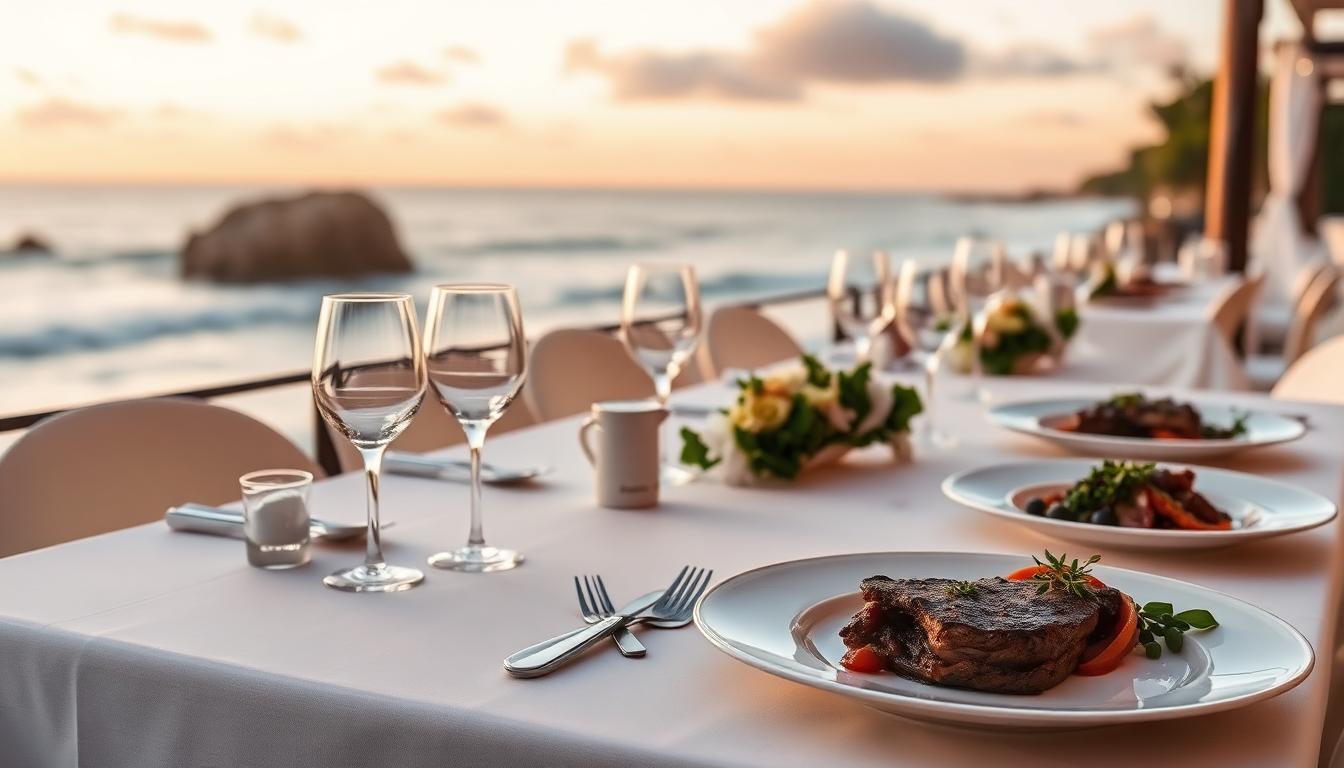
For a formal Steakhouse Experience, we use 'zoning' to ensure the back corner of the lawn isn't the 'forgotten corner' receiving cold food. Our logistics ensure a medium-rare steak stays that way from the charcoal grill to the fork. Even if Uncle Bob stops the server to critique the smoke ring, that steak is staying juicy.
To avoid the I-5 rush-hour traffic jam vibe, we place the bar away from the food stations. Since the bar is the first stop for every thirsty San Diegan after the ceremony, we stagger the opening times to keep the crowd moving organically. It keeps the vibe high, the hunger low, and the bottleneck non-existent.
Temperature Control and Food Safety in San Diego’s Climate
Safety is the foundation, and we handle the USDA 'Danger Zone' (40°F - 140°F) more seriously than a Texan handles his sauce. We use refrigerated transport and insulated cabinets to fight the Inland San Diego heat, which can feel like a convection oven. While the fire keeps the brisket hot, our active cooling keeps the potato salad from becoming a science project.
The 'drop'—when food hits the line—is timed down to the minute to prevent moisture loss or safety risks. If the food is out too early, it’s dry; if it’s too late, guests start eyeing the decorative centerpieces for sustenance. I use 25+ years of experience to calculate 'carry-over cooking' so your meat arrives juicy, not jerky.
In humid spots like Coronado or Encinitas, the air is basically a beverage, which can soften the BBQ bark. We use 'staggered replenishment,' bringing out fresh batches every 15-20 minutes instead of dumping it all at once. This ensures the last person in line gets a meal just as fresh and safe as the first bird to the buffet.

The Role of Staffing in Executing the Timeline
Staffing is the engine of the event, and ours is finely tuned with 'pit hands,' buffet attendants, and captains. We specialize in the 'flip'—quietly converting a ceremony space into a dining area while guests are distracted by hors d'oeuvres. It’s the culinary version of a magic trick, minus the top hat and with way more BBQ.
Our team is trained for outdoor chaos, like wind-proofing linens and managing pests without looking like they’re in a low-budget horror movie. We run 'sweep' intervals to clear trash promptly, ensuring your photos look like a luxury magazine instead of a backyard tailgate. We keep the venue pristine so the only thing people remember is the flavor.
Every event has a dedicated onsite lead who acts as the point of contact. If the ceremony runs 15 minutes long because someone forgot the rings (it happens), our lead coordinates with the kitchen to delay the 'fire' time. We don't sweat the small stuff, because we’ve already planned for the 'what-ifs' in the initial timeline.
Rentals, Cleanup, and Post-Event Logistics
The party doesn't end when the dancing shoes come off; the 'strike' phase is just as vital. Most venues require catering equipment and trash out immediately, so we build a two-hour cleanup window into the schedule. We even handle wood ash and grease disposal with specialized gear so we don't leave a permanent BBQ stain on the venue's history.
Our cake-cutting service is timed to hit right as the dance floor opens, preventing that awkward energy lull where people start checking their watches. We can also package leftovers based on health guidelines, giving you a midnight snack for the hotel room. Nothing of value goes to waste on my watch—except maybe the calories.
We also manage the return of linens, china, and glassware to save you from 'loss' fees for that one fork that somehow ended up in a guest's pocket. This comprehensive approach lets you focus on the 'I do' while we handle the 'what's next.' From the first spark of the wood fire to the final sweep, we’ve got you covered.
Frequently Asked Questions
What is the most important factor in outdoor wedding catering logistics?
The most critical factor is the distance between the kitchen setup and the serving area. This distance dictates staffing levels, equipment needs, and the specific timing required to ensure food is served at the safe and optimal temperature for your guests.
How long does it take to set up a wood-fired catering station?
For a full wood-fired or charcoal setup, we require a minimum of 4 hours on-site. This allows time to stabilize the heat of the pits, prep fresh ingredients, and set up the buffet or plating stations according to the venue's layout.
Can you accommodate a change in the wedding timeline on the day of the event?
Yes. Our experienced onsite leads work closely with your other vendors to adjust for ceremony delays. Because we cook over live fire, we can manage heat levels to keep proteins perfect even if the schedule shifts by 15-30 minutes.
Do you handle trash removal for outdoor San Diego venues?
Yes, our full-service catering includes the management of catering-related waste. We ensure all food scraps, charcoal ash, and service trash are removed from the site, adhering to the specific rules of San Diego County venues.
What happens if it rains during our outdoor wedding?
We always discuss a 'Plan B' during the planning phase. This typically involves identifying a covered area for the kitchen and service stations. Our heavy-duty equipment is designed for outdoor use, but guest comfort and food safety remain the priority.
Written by Chef Terry Matthews, Qfire Catering — San Diego County. Last updated 2026-08-28.
We'd be happy to answer any more questions you may have.
No pressure, no sales pitch — just a chef who loves talking food.