A Guide to Live-Fire Catering for Arizona Summer Events
For event planners and hosts in Phoenix or San Diego who need to balance premium wood-fired catering with triple-digit temperatures. You’ll learn how to throw a high-end BBQ bash without the food wilting or the guests melting.
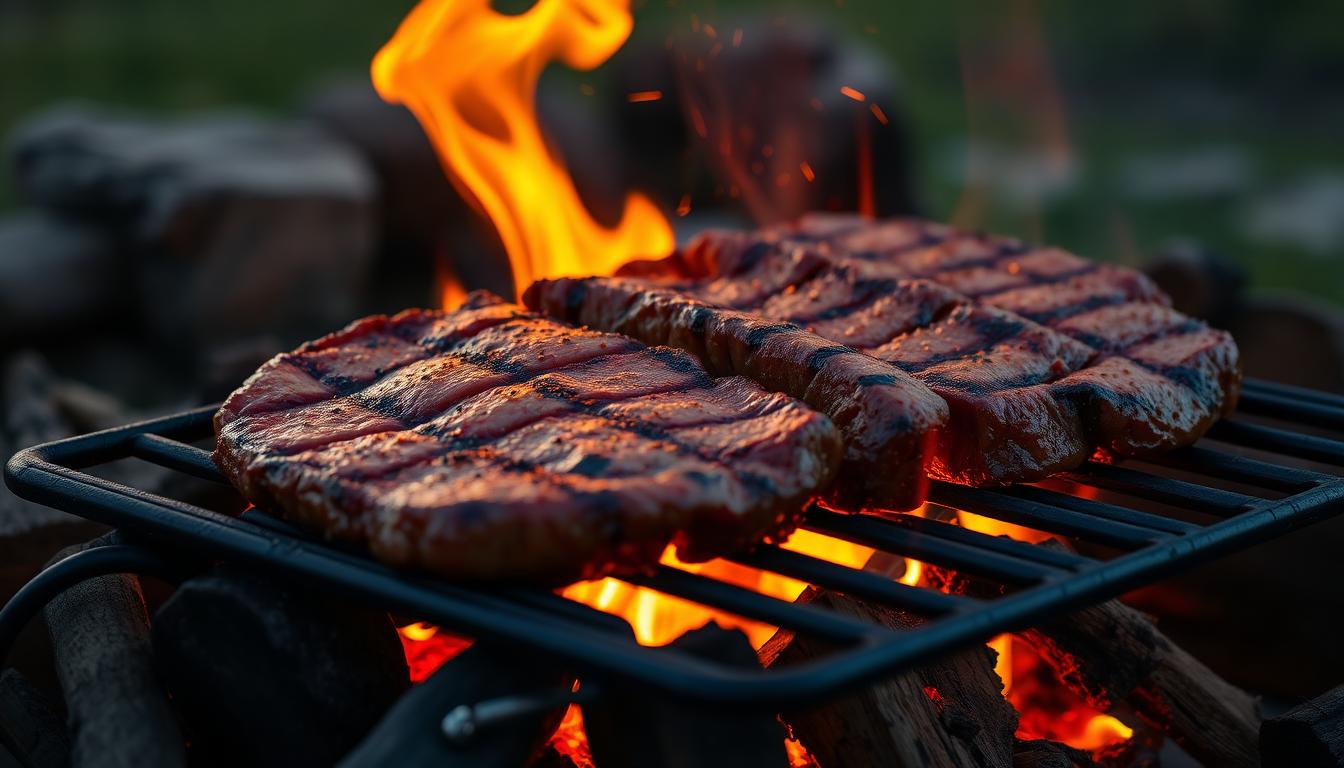
115 degrees ruins brisket and guests at the same time. Here is how we cook live fire through an Arizona summer and still serve food people rave about — and what to demand from any caterer who says it is fine.
- — Prioritize proteins that hold moisture and utilize heavy-duty cooling logistics.
- — Schedule live-fire cooking to conclude just before the peak afternoon temperature spike.
- — Hydration stations and shaded food service areas are non-negotiable for desert logistics.
- — Consult a professional chef to balance smoke profiles with refreshing, hydrating sides.
Mastering The Phoenix Easy Bake Oven
In the Phoenix Metro area, summer catering is less about 'cooking' and more about surviving a 110-degree convection oven. At Qfire Catering, I use 25 years of experience to make sure our wood-fired pits and our pitmasters don’t both spontaneously combust before the appetizers are out.
We use insulated holding cabinets and commercial cooling units that actually work, unlike your Uncle Bob’s flimsy plastic cooler that’s mostly lukewarm water by noon. When ground temperatures hit 130 in Scottsdale or Gilbert, we stage our grilling in shaded 'cool zones' with industrial fans to keep the meat from turning into beef jerky prematurely.
The 'fire-to-plate' window in this heat is tighter than a pair of jeans after a BBQ competition. We love the 'Reverse Sear' for our Steakhouse Experience—bringing the meat to temp in a controlled environment and finishing it over pecan wood just seconds before service. It's the only way to get that signature char without the meat feeling like it’s been sunbathing.
Menu Design for High-Heat Hospitality
Summer menus need to be bright and light, because heavy cream sauces in a Mesa afternoon will make your guests want a nap rather than a dance floor. We pivot to citrus-infused glazes and chimichurri that cut through the smoke and wake up the palate when the weather says 'stay in the pool.'
We want guests to walk to their cars, not be rolled to them, so we focus on high-quality cuts and crisp, chilled sides. A compressed watermelon salad with mint beats a mayo-based slaw that’s having a literal existential crisis in the sun every single time.
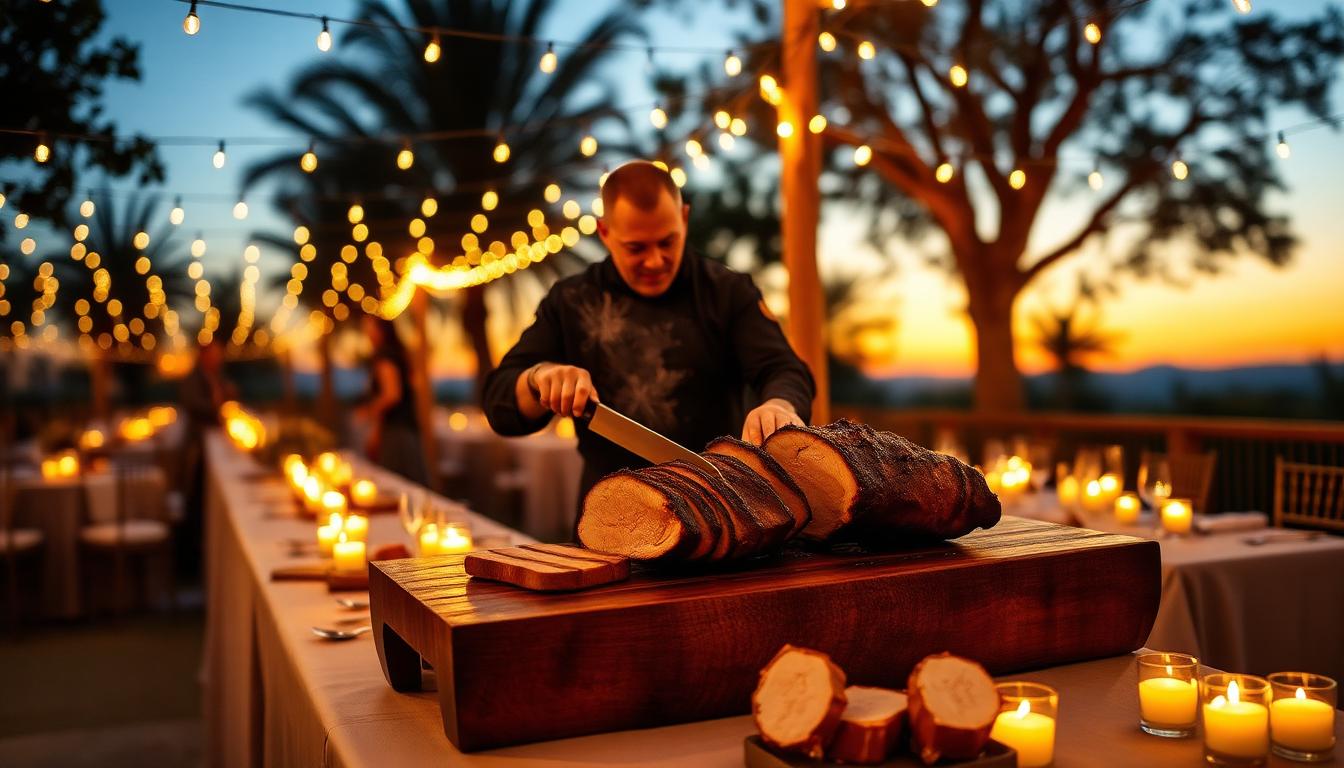
The Phoenix sun is a moisture thief, so we treat our carving knives like secret weapons. We keep briskets and tri-tips whole until the very second they’re requested, preserving the juices so your dinner doesn't end up in a dry shoe leather contest.
Logistics: Mobile Smokehouses and Melting Asphalt
Planning a July event in Paradise Valley requires more math than I ever used in high school. We check venue surfaces because soft asphalt can turn a heavy smoker into the Leaning Tower of Brisket, and we always bring our own leveling gear to keep things steady.
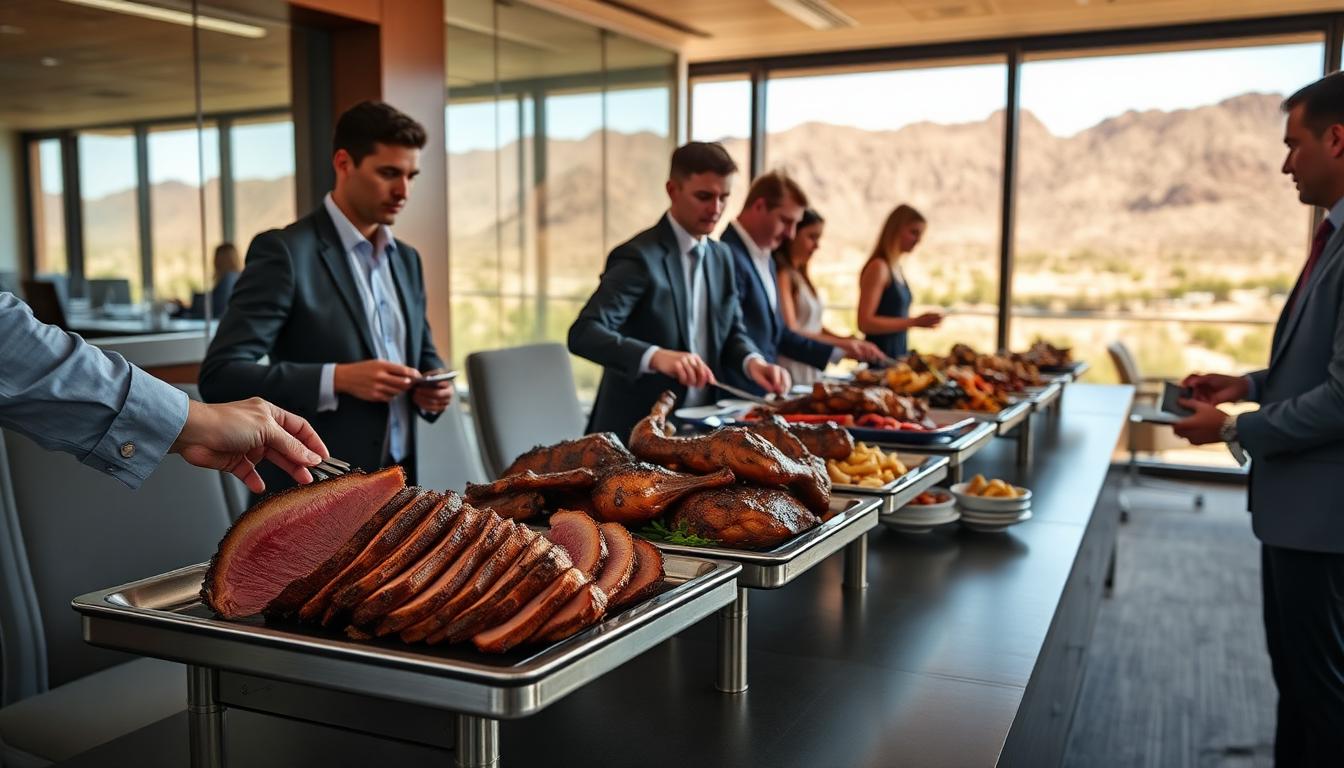
Heat fatigue is real, so we rotate our pitmasters frequently to ensure they aren't seeing mirages while carving your steak. We also double up on buffet lines to get guests out of the sun and into the AC faster than they can say 'it's a dry heat.'
Our refrigerated trucks are pre-cooled for hours, making them the coldest places in Arizona outside of a walk-in freezer. Whether it’s corporate catering or a wedding, we manage the variables so you can focus on your guests and not on whether the shrimp is having a heat stroke.
The Importance of Shaded Service and Layout
We hunt for 'micro-climates' at every venue to avoid spots that feel like the surface of the sun. In Tempe or Goodyear, the sun moves fast, so we position stations in deep shade or under ventilated tents—because stagnant air is the enemy of happiness.
Airflow is our secret weapon, and I’m not just talking about the guest who talks too much. We position grills downwind so guests get the visual theater of the fire without feeling like they’re the ones being slow-roasted.
We’ve seen enough metal chairs turn into branding irons to know better, so we suggest light linens and cooler materials. We even use chilled stone slabs for appetizers to keep everything professional and prevent your guests from leaving with grill marks on their thighs.
Protecting the Cold Chain: Keeping it Crisp
The safety window for shrimp cocktail in an Arizona summer is narrower than my patience for gas grills. Our team uses specialized 'Cambros' and refrigerated transport to keep the health inspector smiling and the bacteria away from the party.
We use a 'just-in-time' replenishment strategy because nobody wants a salad that’s given up on life. We put out small portions and refresh them constantly from our mobile fridge, ensuring every bite is crisp and vibrant.
I once saw a guy try to serve a cheese board at a 4 PM outdoor wedding in July—it looked like a yellow puddle of regret within ten minutes. We suggest high-moisture starters like cucumber rounds or gazpacho shooters to keep people hydrated and happy.
Beverage and Bar Service: Liquid Hospitality
In the desert, beverage service is a safety requirement—and no, a double bourbon doesn't count as hydration. We push infused water bars and 'mocktails' to keep the party going long after the sun finally decides to give up.
Ice is our most precious resource, second only to prime brisket; a June wedding in Scottsdale needs three times the ice of a November one. We calculate every cube needed for drinks and the 'ice baths' that keep our garnishes safely chilled.
We recommend high-quality acrylic for poolside events in Paradise Valley because bare feet and broken glass are a disastrous combo. Our bar staff keeps the bins topped off so the only thing 'on the rocks' is the margarita, not your event.
Post-Service Logistics and Safe Leftovers
The work doesn't end until the site is spotless, even if our feet are screaming. We have strict protocols for food disposal because we’re a chef-led organization, not just some guy with a trailer and a dream.
If you want those brisket sliders for breakfast, we’ll guide you on how to safely cool and package them. However, if it’s been sitting on the open buffet in the sun, we love you too much to let you eat it.
We leave every Queen Creek estate or Phoenix office park exactly as we found it. We haul away all charcoal embers because leaving hot coals in a venue dumpster leads to a very exciting, but very bad, phone call from the fire department.
Why Choose Qfire for Your Arizona Summer Event
Choosing a summer caterer is about finding a partner who knows 'dry heat' is still hot enough to melt a standard plan. Qfire combines Food Network-level talent with the grit to cook over wood at 110 degrees without breaking a sweat (mostly).
We return quotes within 4 hours and lock guest counts 15 days out so our planning is as precise as our smoke rings. We bring the luxury of a fine dining steakhouse to your backyard, minus the stuffy waiters and the boring food.
Whether it’s a private party or a massive corporate gig, we know the local weather and the fact that everyone has an uncle who thinks he’s a pitmaster. Trust the BBQ Daddy to bring the heat—and the cool—so you don't get burned.
Frequently Asked Questions
How do you keep food safe in the Arizona heat?
We use professional-grade insulated holding cabinets, refrigerated transport, and a 'just-in-time' replenishment strategy. This ensures that cold items stay below 40°F and hot items stay above 140°F, following strict USDA guidelines even in extreme Phoenix temperatures.
What is the best time for outdoor food service in a Phoenix summer?
We recommend scheduling food service as close to sunset as possible. This reduces the heat load on both the guests and the food. If an afternoon event is necessary, we prioritize shaded setups and heavy-duty cooling logistics.
Can you provide live-fire cooking if there are fire restrictions?
Yes, we monitor local fire ordinances in areas like Cave Creek and Scottsdale. Our equipment is professional-grade and managed by experienced staff. If specific wood-fire bans are in place, we can often pivot to charcoal or contained grilling methods that comply with local safety laws.
Do you provide hydration stations for outdoor events?
Absolutely. For summer events, we emphasize our beverage service with infused waters, lemonade, and plenty of ice. Keeping guests hydrated is a primary logistical concern that our planning team addresses in every summer quote.
How much ice is needed for a 100-person summer event in Arizona?
For a summer event in Phoenix, we typically double the standard ice calculation, planning for at least 3-4 pounds of ice per guest to account for beverage cooling, drink service, and food safety ice baths.
Written by Chef Terry Matthews, Qfire Catering — Phoenix Metro. Last updated 2026-08-28.
We'd be happy to answer any more questions you may have.
No pressure, no sales pitch — just a chef who loves talking food.