Choosing Between Family Style vs Buffet Catering for San Diego Weddings
For engaged couples and event planners in Southern California trying to decide how to feed a crowd without causing a stampede. You will learn how service style affects your budget, venue space, and the 'juiciness' of your brisket.
Family style or buffet is a $2,000 decision disguised as a style question. Here is what each really costs, how each changes the energy of the room, and how to pick in five minutes.
- — Buffets maximize menu variety and allow guests to control their own portions.
- — Family style encourages table-side conversation but requires significant tabletop space for platters.
- — Logistics like 'holding time' for live-fire meats are critical for both service styles in the San Diego climate.
- — Staffing ratios increase significantly when moving from a self-serve buffet to a table-service family style model.
The Showdown: Family Style vs Buffet Catering for San Diego Weddings
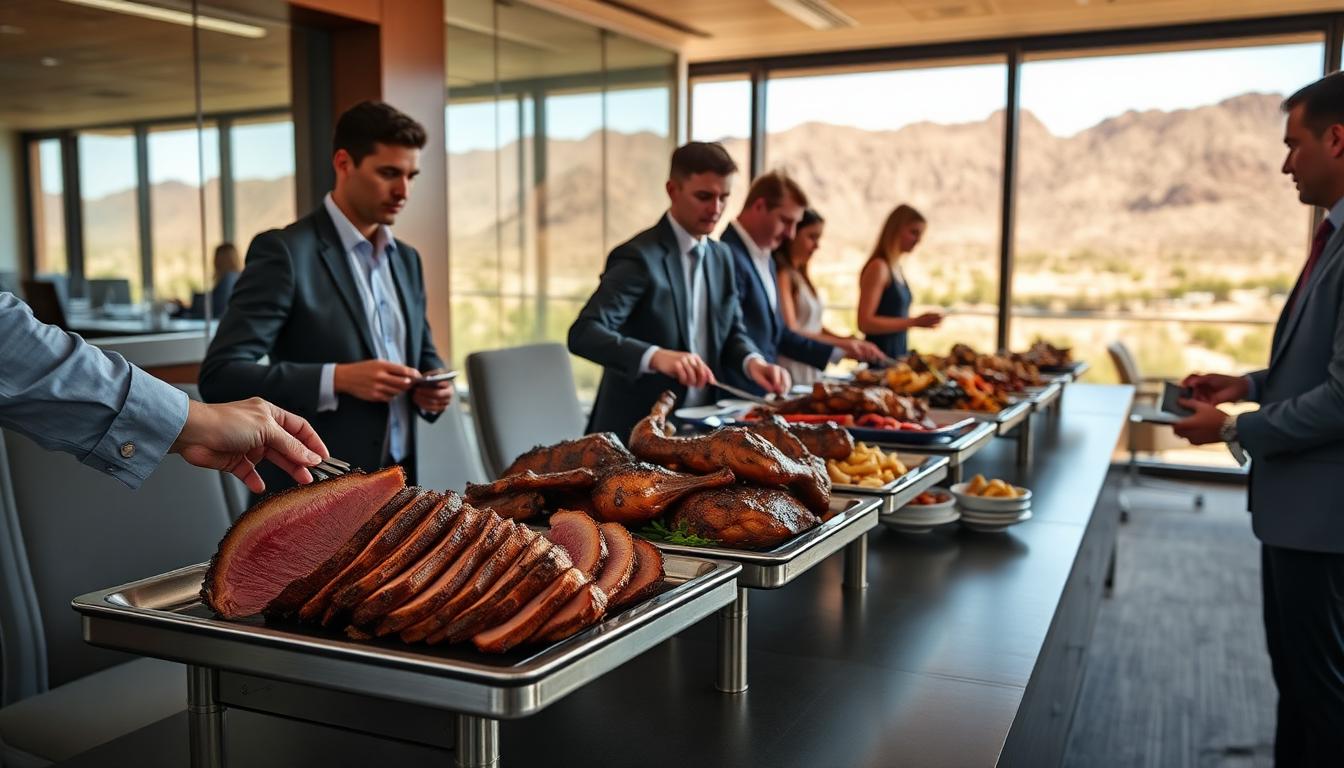
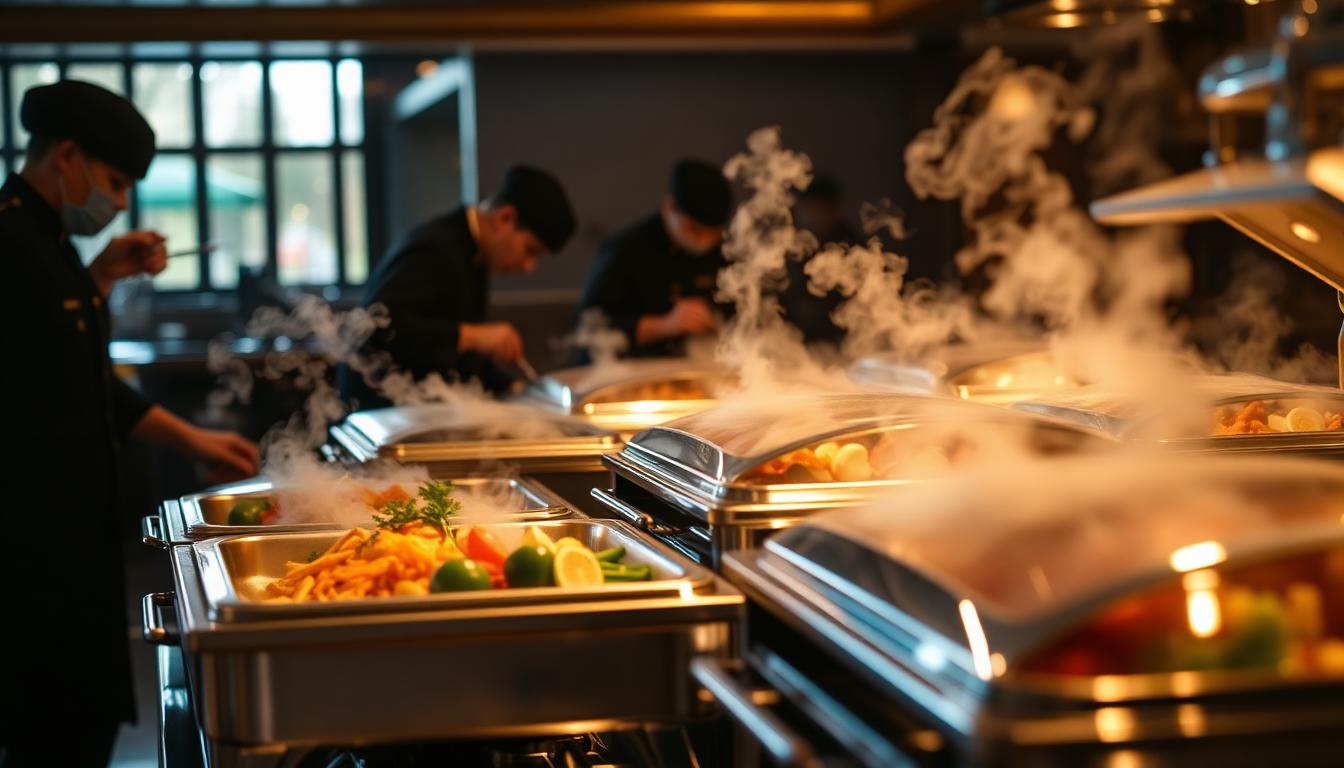
When plotting a SoCal shindig, the choice between family style vs buffet catering for San Diego weddings usually depends on how much floor space you have before guests start tripping over succulents. A buffet creates a roaming ecosystem where guests can mingle, dodge that one ex, and customize their plates with wood-fired goodness. It is the MVP for massive corporate mixers or outdoor weddings where the menu is longer than the guest list.
Family style brings the feast to them, fostering a 'pass the potatoes' intimacy that keeps guests glued to their seats. I’m obsessed with 'meat integrity'—fancy talk for not letting brisket turn into a doorstop. On a buffet, we use professional heat management to keep ribs at peak juiciness, whereas family style is a choreographed sprint requiring a kitchen team with the timing of a Swiss watch.
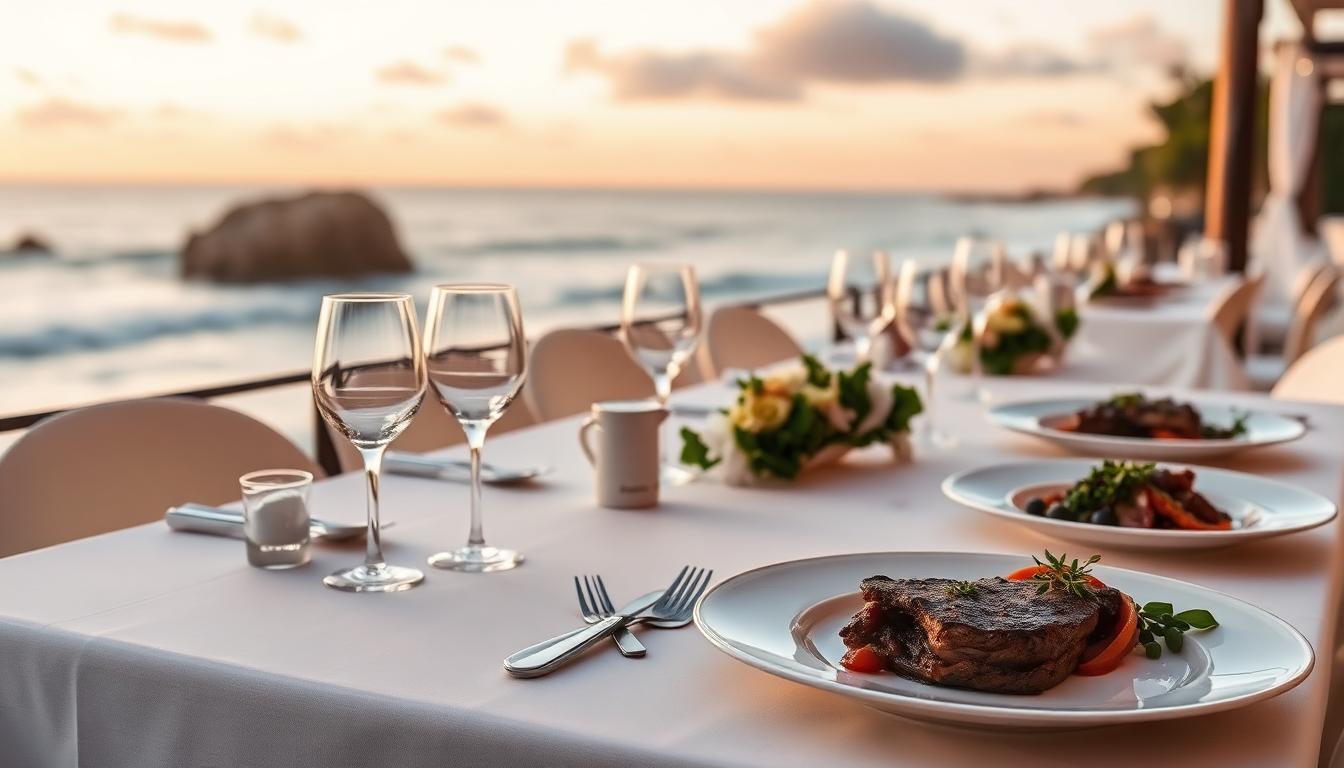
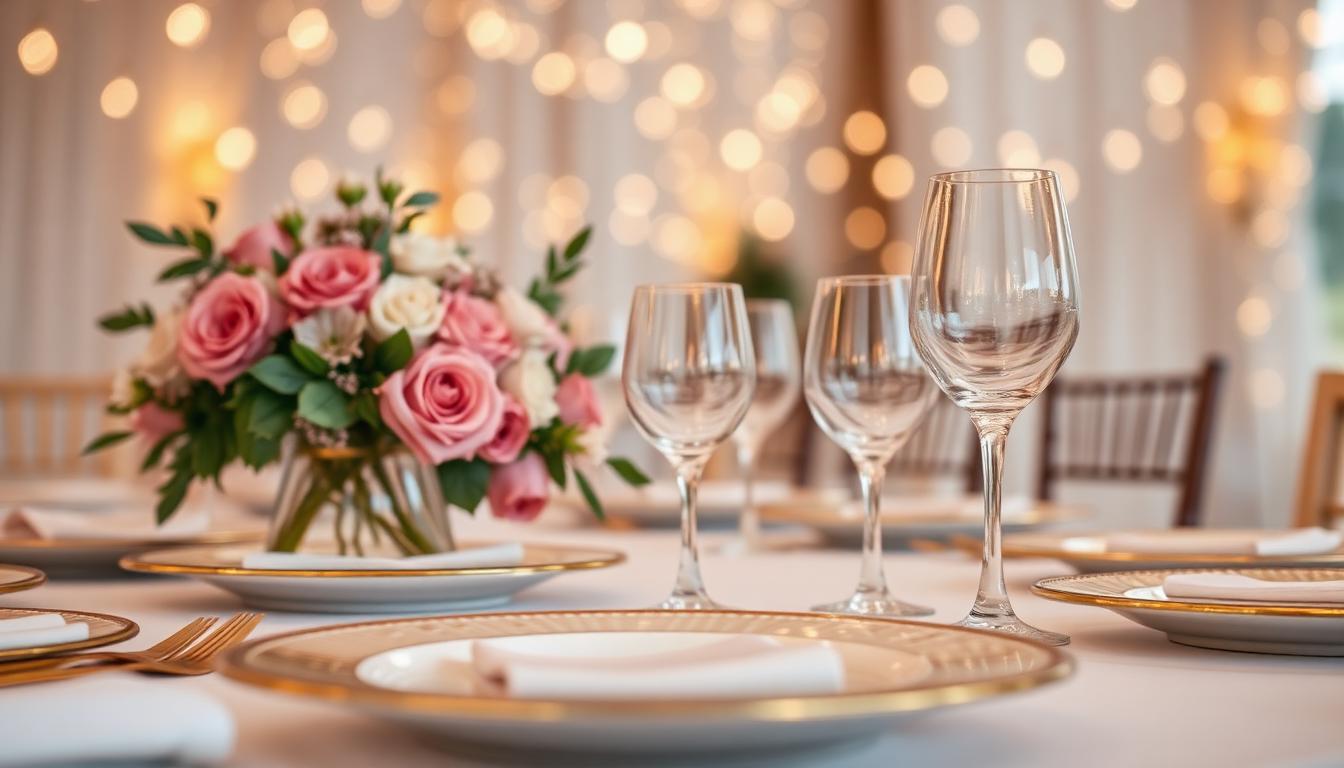
Logistics are the cold, hard reality here. Buffets need a serious footprint at the venue so guests aren’t staring at the back of someone’s head for twenty minutes. Family style saves floor space but devours your tabletop; in places like La Jolla or Del Mar, 'cozy' is code for 'small patios,' and cramming jumbo platters onto a table with floral centerpieces is a recipe for a delicious disaster.
The Pitmaster’s Rules for Live-Fire BBQ Service
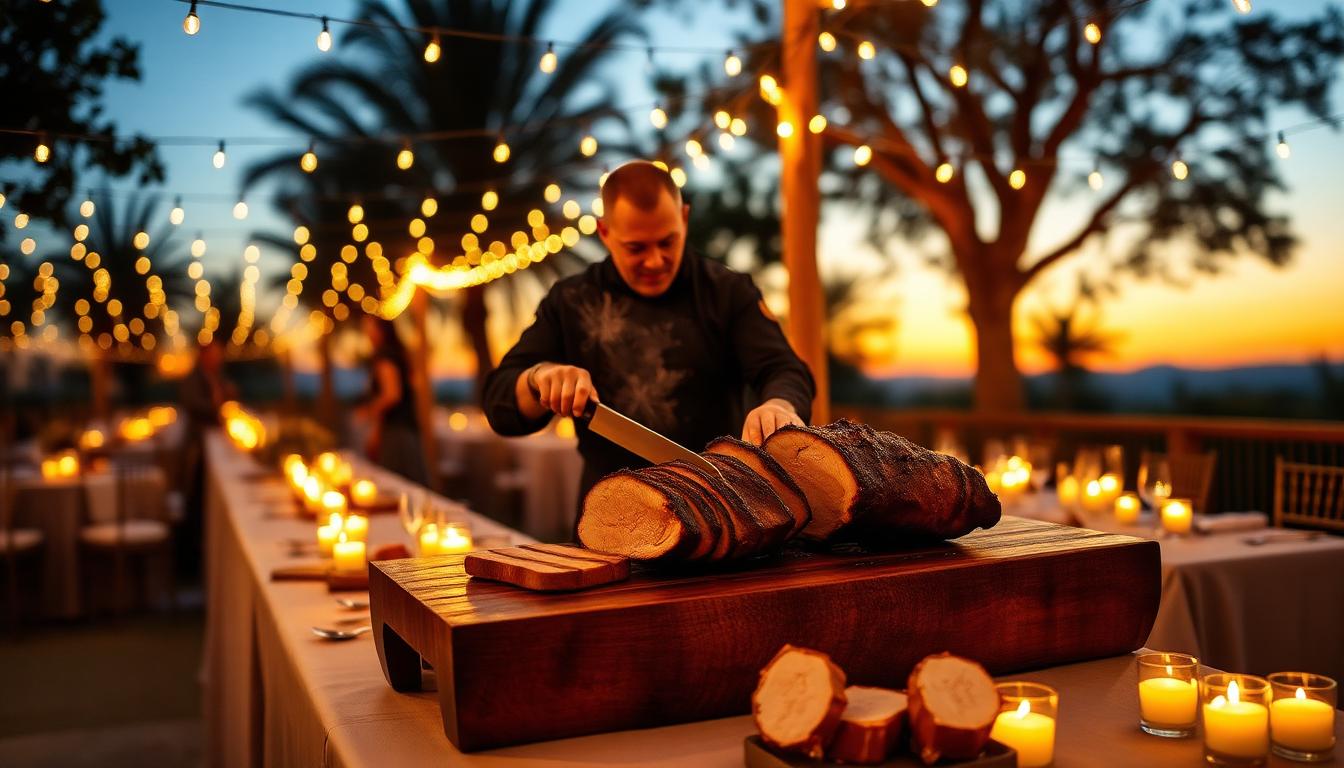
Live-fire cooking is our bread and butter—or wood and smoke—and it has its own rules. When we’re firing up the charcoal in Temecula Valley or Poway, the clock is the enemy. In a buffet, we keep the hits coming in fresh batches so the brisket bark stays crispy rather than turning into soggy cardboard.
Shifting to family style means executing a 'synchronized fire,' which feels like an Olympic sport. Every component—the proteins, the mac and cheese, and the salads—must hit the platters and be sprinted to tables in one tight window. It’s spectacular for our Steakhouse Experience, but it requires a bigger squad so Table 1 isn't eyeing the exit while Table 20 is still waiting for forks.
Temperature control is the final boss, especially with that chilly San Diego coastal breeze in Carlsbad or Encinitas. Open platters lose heat faster than a guest loses their dignity on the dance floor after two cocktails. If you’re going family style outdoors, we bring in the heavy artillery—ceramic or cast-iron pieces—to ensure your meal doesn't turn into a 'cold cuts' experience.
Space Planning and Venue Logistics in San Diego County
Your venue is the ultimate tie-breaker. Many historic spots in Coronado or downtown have floor plans suggesting people in the 1920s didn’t eat; they often can't handle a buffet line without blocking the bar. Family style is a space-saving hero here, but if you’ve got eight people at a 60-inch round, adding three massive BBQ platters is basically high-stakes Tetris.
If you’ve snagged a sprawling estate in Rancho Santa Fe, a buffet can be the star. We love setting up live-fire stations right next to the line so guests can inhale that sweet wood smoke and watch the magic. I once had a guest in RSF try to 'help' me flip a tri-tip with his bare hands—spoiler: leave the fire to the guys in the chef coats.
Staffing is where the budget math kicks in. A buffet is a leaner operation where guests do the walking. Family style is a full-court press requiring a higher staff-to-guest ratio to move those heavy platters. We’ll get you those detailed quotes within 4 hours so you can see exactly where the nickels and dimes are headed.
Guest Experience and Social Dynamics
Service style dictates behavior. A buffet is a social butterfly’s dream—people chat in line and swap stories over the salad bar. It’s also the gold standard for dietary inclusivity; if someone is gluten-free or just plain picky, they can see exactly what they’re getting without negotiating a pre-set plate.
Family style creates a 'micro-social' bubble at every table. There’s something about passing a heavy bowl of wood-fired ribs that breaks the ice between strangers. It’s formal enough for a wedding but casual enough that nobody feels like they have to use the 'correct' fork for their salad.
One warning: 'plate fatigue' is real. If you’re passing five heavy platters, it can feel like a CrossFit workout for your guests. To prevent a shortage caused by the one uncle who treats a communal platter like his personal bowl, we over-portion every dish and train our staff to swoop in with 'seconds' instantly.
Timelines and Service Duration
Efficiency is the name of the game if you want to dance before the coffee kicks in. A well-oiled buffet for 150 people can be cleared in under an hour because the kitchen stays three steps ahead. This is the go-to for corporate events or weddings where the couple wants to maximize dance floor time.
Contrary to the internet, family style can actually take longer. Because we choreograph the 'drop' so everyone eats together, any hiccup ripples through the room. We lock in your guest counts 15 days out to make sure our staffing is surgically precise for this reason.
In San Diego, the sunset is often your cue to start the party. If you’re transitioning from a beach ceremony in Del Mar to a reception, timing is everything. Our team works backward from your 'Grand Entrance' to ensure dinner doesn't kill the energy; sometimes a hybrid—like plated salads followed by a buffet—is the secret sauce.
Menu Design for High-Performance Catering
Not all BBQ is built for every style. As a veteran of Food Network’s BBQ Brawl, I know some dishes are 'buffet warriors.' Meats in savory au jus, our signature beans, and hearty salads can hang out in a professional setup for 90 minutes and still taste like they just hit the grill.
For family style, we want 'showstoppers' like whole grilled fish or mountains of tri-tip with bright green chimichurri. We generally avoid the 'fussy' stuff that falls apart when a guest tries to scoop it. The goal is food that looks like a million bucks but doesn't require an engineering degree to serve.
Consider the 'mess factor.' Ribs are legendary, but passing them over a silk dress in a family style setting is a dare to the universe. We might suggest fork-friendly, boneless options so guests don't leave looking like they had a food fight, whether you’re in La Jolla or Rancho Santa Fe.
Budgeting and Resource Allocation
We don't do 'mystery pricing.' A buffet is usually friendlier on the labor budget, but requires more food volume because 'portion control' disappears when people serve themselves. We plan for this 'buffer' so the last guest isn't left with a lonely piece of kale.
Family style is a rental and labor powerhouse. You’ll need a lot of platters, bowls, and tongs—multiplied by every single table. Since our team acts as personal table servers, the labor cost is higher, but food waste is often lower due to controlled platter sizes.
Choose the style that matches your personality. If you want a high-energy graze-fest, go buffet; for a sophisticated shared meal, family style wins. Whichever way you go, Qfire brings 25+ years of pitmaster expertise to ensure the food is the only thing guests talk about for the next three years.
Frequently Asked Questions
Which is more expensive: family style or buffet?
Generally, family style is more expensive due to higher staffing requirements and increased rental costs for platters and serving utensils. While food waste may be slightly lower, the labor needed to serve all tables simultaneously outweighs the savings. You can view our general pricing structure on our pricing page.
Can we combine a buffet with family style service?
Yes, many San Diego clients choose a hybrid approach. For example, you might serve salads family style at the tables to kick off the meal, followed by a main course buffet. This helps manage guest flow while still providing an intimate start to the dinner.
How many buffet lines do I need for 150 guests?
For 150 guests, we typically recommend two double-sided buffet lines. This ensures that the entire group can be served within 30 to 40 minutes, preventing long wait times and ensuring everyone eats while the wood-fired meats are at their peak temperature.
Is family style appropriate for a formal San Diego wedding?
Absolutely. Family style is a popular choice for upscale 'backyard luxury' or vineyard weddings in Temecula. It offers a more refined feel than a buffet while maintaining a sense of warmth and community that a plated meal can sometimes lack.
Written by Chef Terry Matthews, Qfire Catering — San Diego County. Last updated 2026-08-28.
We'd be happy to answer any more questions you may have.
No pressure, no sales pitch — just a chef who loves talking food.